When Did You Stop Feeling Like Yourself?

And What If You Could Trace That Moment Back?
When was the last time you felt clear—not busy, not distracted, not simply getting through the day, but genuinely clear and connected to yourself?
Most people cannot point to a single moment when that feeling disappeared. It tends to happen gradually. You take on more responsibility, adapt to stress, push through fatigue, and ignore small signals from your body. Over time, those small shifts accumulate until one day something feels off, and you cannot fully explain why.
What changed was not your identity. What changed was your state.
You did not lose yourself all at once. You adjusted to what life required. You kept going when you were tired, stayed engaged when you needed space, and ignored tension that your body was trying to communicate. These patterns build over time. Research from the National Institutes of Health shows that prolonged stress alters how your nervous system regulates attention, emotion, and recovery. When that happens, your baseline shifts, and what once felt like overload begins to feel normal.

Why Pushing Harder Stops Working?
At some point, the strategies that used to work stop producing results. You try to stay disciplined, focused, and consistent, yet your energy feels inconsistent and your motivation drops. The more you push, the more resistance you feel. This creates frustration because it looks like a lack of willpower, when in reality it reflects a system that has reached its limit.
Your body prioritizes protection over performance. When your nervous system is overloaded, it does not respond well to pressure. It slows you down, reduces your access to focus, and limits your ability to follow through. This is not a flaw. It is a built-in response designed to prevent further strain.

A Different Starting Point
Instead of asking yourself to do more, a more effective approach is to change what your system receives. Rather than beginning with mindset or effort, you begin with input. Sound-based practices offer a direct way to influence your state without requiring you to think, analyze, or perform.
Sound enters the body as vibration. It interacts with your nervous system automatically. Studies summarized by the National Center for Complementary and Integrative Health show that sound and meditation-based practices support stress reduction and emotional regulation. This means you do not need to force yourself into relaxation. You provide your system with structured input that allows it to shift.

Identifying Where You Feel Disconnected
Before choosing any method, it helps to identify where you feel the disconnection most strongly. Some people feel it in their body as tension, fatigue, or heaviness. Others notice it in their thoughts, where the mind becomes busy or difficult to quiet. For some, the experience shows up emotionally as a sense that something is off but hard to define. Others recognize it in their actions, where they know what to do but struggle to follow through.
Each of these experiences points to a different entry point for change.
Reconnecting Through the Body
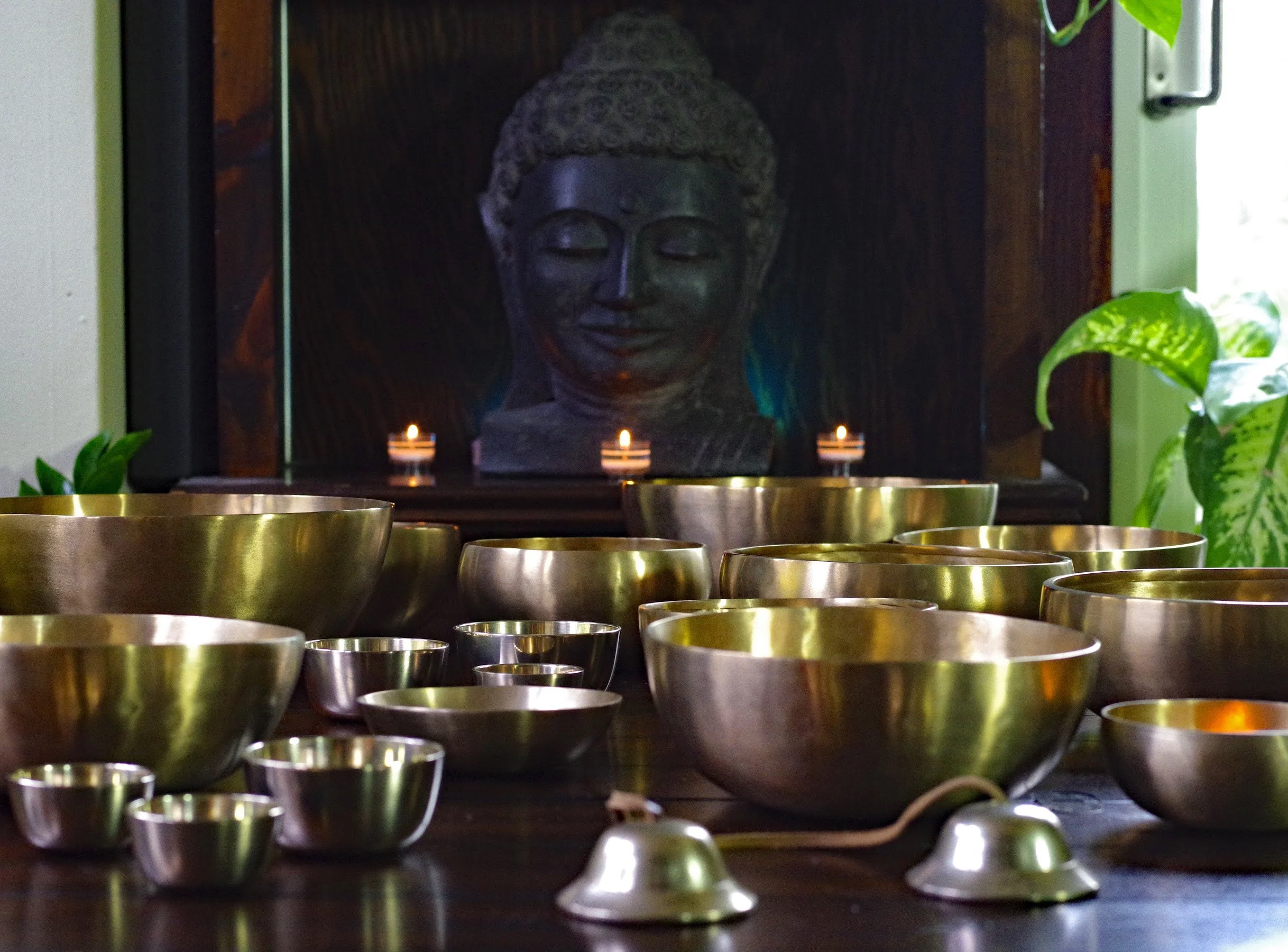
If your disconnection feels physical, starting with the body creates the fastest shift. Sound massage uses Himalayan singing bowls placed on or near the body. When played, these bowls produce vibration that moves through tissue and fluid. This process supports muscle release, deeper breathing, and a shift in the nervous system toward a more relaxed state.
The change begins physically and then influences everything else. As the body settles, your awareness increases, and you regain a sense of presence. Instead of thinking your way back into connection, you experience it directly.
Start here: https://www.rootedinsound.com

Quieting the Mind Through Sound
If your main challenge is mental noise, sound baths offer a different approach. In a sound bath, you are immersed in layers of sound created by instruments such as gongs, singing bowls, and chimes. The structure of these sounds gives your brain something consistent to follow, which reduces the intensity of internal dialogue.
As your attention shifts toward the sound, your thoughts begin to slow. You notice more space between them, and your mind becomes easier to work with. This is not about forcing silence. It is about creating conditions where silence becomes accessible.
Explore sessions: https://www.rootedinsound.com/event-calendar
Addressing Subtle Patterns Through Bio-field Tuning
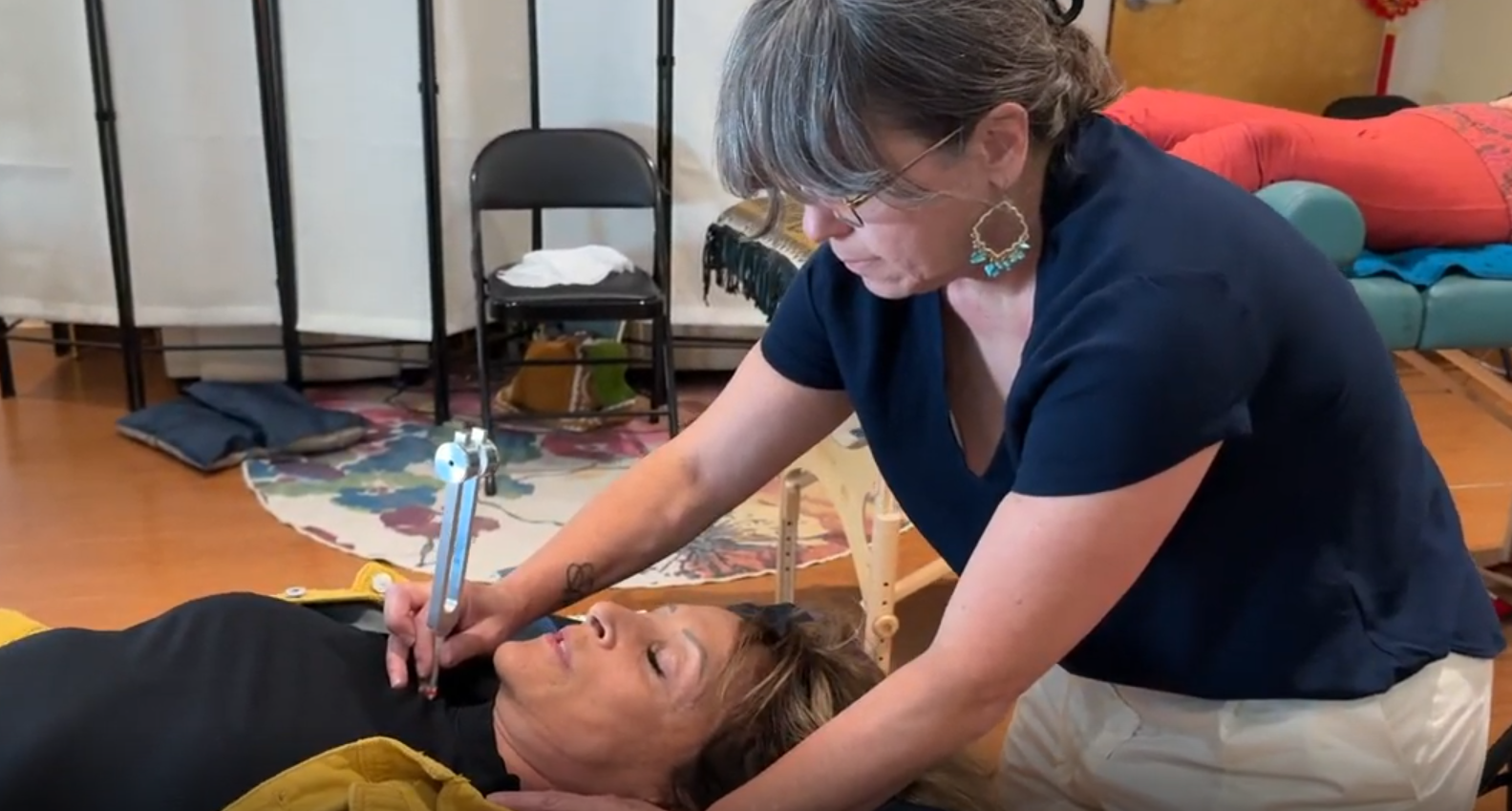
Some experiences do not feel physical, mental, or clearly emotional. Instead, they feel like something is stuck just beneath the surface. Bio-field tuning works in this space by focusing on the energy field around the body using tuning forks.
Research in this area is still developing, and I cannot confirm all proposed mechanisms. What remains consistent is how people describe the results: a sense of lightness, clarity, and reduced internal pressure. This method complements other approaches by addressing patterns that are harder to locate directly.

Turning Insight Into Action
Even when your state improves, change does not last without structure. This is where coaching becomes essential. Many people reach a point where they understand what they need to do but struggle to follow through consistently.
Coaching bridges that gap. Using evidence-based frameworks from the National Board for Health and Wellness Coaching, the process focuses on creating clear direction, actionable steps, and accountability. This transforms temporary insight into repeatable behavior.
Begin here: https://www.rootedinsound.com
Where to Begin
You do not need to solve everything at once. Start with one entry point that matches your current experience. If your body feels off, begin there. If your mind is overwhelmed, start with sound. If your actions do not align with your intentions, focus on coaching.
Each step builds on the previous one.
Take the First Step
Book a session: https://www.rootedinsound.com
Attend an event: https://www.rootedinsound.com/event-calendar
Explore training: https://www.rootedinsound.com