Why Silence Can Feel Threatening Under Stress

Silence is often described as calming, peaceful, or restorative. But for many people living under prolonged stress, silence does not feel soothing at all. It can feel uncomfortable, unsettling, or even threatening.
If you have ever tried to sit quietly and suddenly felt restless, anxious, emotional, or on edge, there is nothing wrong with you. This reaction is not a failure of mindfulness or an inability to relax. It is a nervous system response shaped by stress and uncertainty.
Understanding why silence feels difficult is an important step toward learning how to rest safely again.

Why Stress Makes Stillness Feel Unsafe
Chronic stress changes how the body functions. Breathing becomes shallow. Muscles stay tense. The heart rate remains elevated. Over time, the body learns that slowing down is risky.
For many people, stress has been cumulative rather than temporary. Years of overwork, caregiving, responsibility, and uncertainty train the nervous system to associate stillness with loss of control. Silence becomes the moment when exhaustion, emotion, or overwhelm finally surface.
This is why people often feel the urge to fill quiet moments with sound, screens, or tasks. Distraction is not avoidance—it is regulation.

Why Forcing Silence Often Makes Things Worse
Many wellness messages encourage people to “just sit,” “quiet the mind,” or “be still.” For a stressed nervous system, this can feel like being asked to drop defenses without support.
When silence is forced, anxiety often increases. Restlessness escalates. Self-judgment appears. People conclude that something is wrong with them and stop trying altogether.
The issue is not a lack of discipline. The issue is that regulation must come before relaxation.
Regulation Comes Before Rest
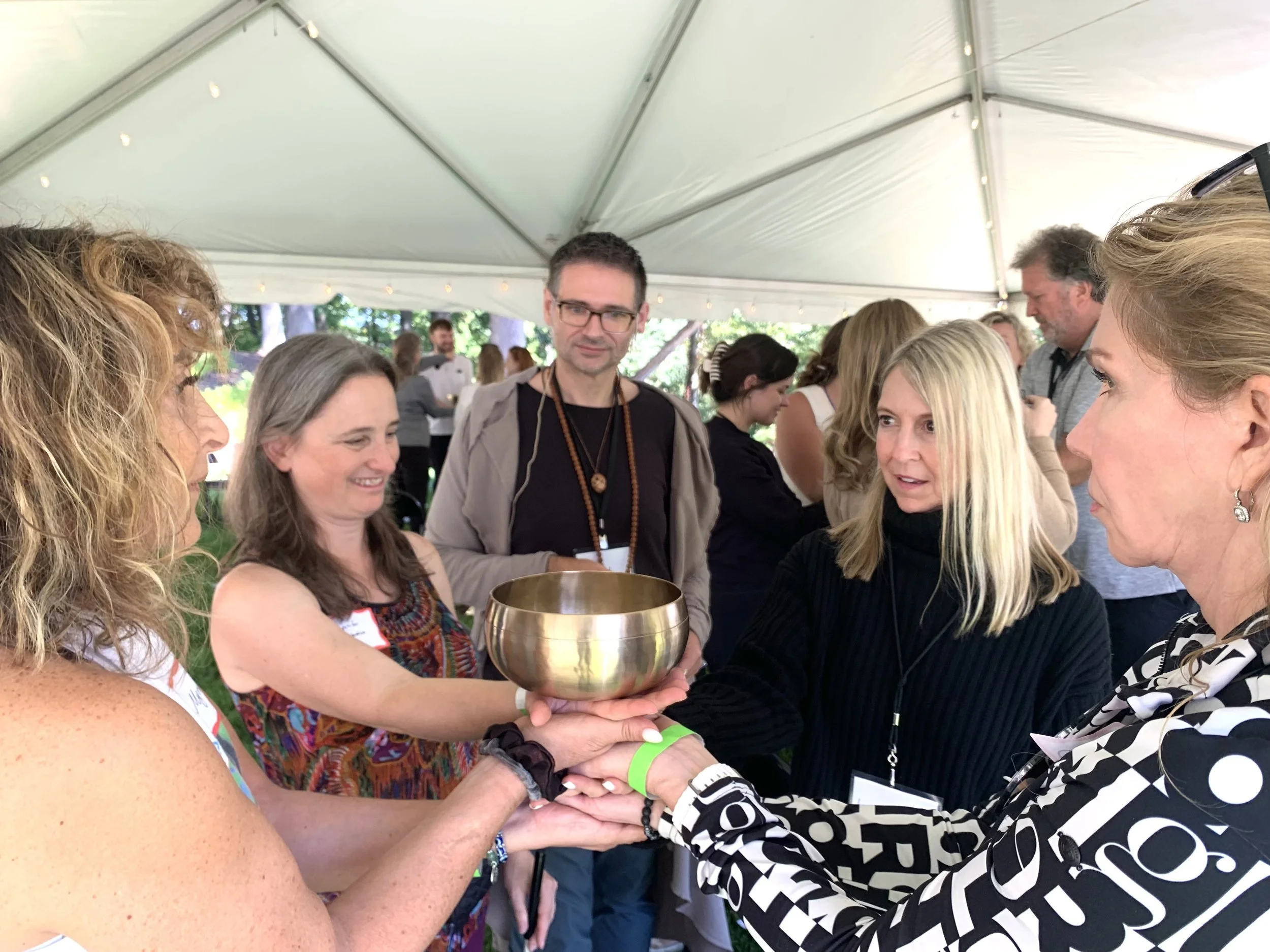
Regulation means helping the nervous system feel supported, oriented, and safe. Only then can stillness feel restorative instead of threatening.
This is where sound therapy and sound-based practices become especially helpful. Sound gives the nervous system something steady to relate to. It provides structure without demand and presence without effort.
Unlike silence, sound:
Creates a sense of containment
Supports rhythm and breath
Reduces hypervigilance
Allows the system to settle gradually
For many people, sound therapy sessions and sound baths feel safer than silence because they offer gentle guidance instead of emptiness.
Sound as a Bridge Into Stillness
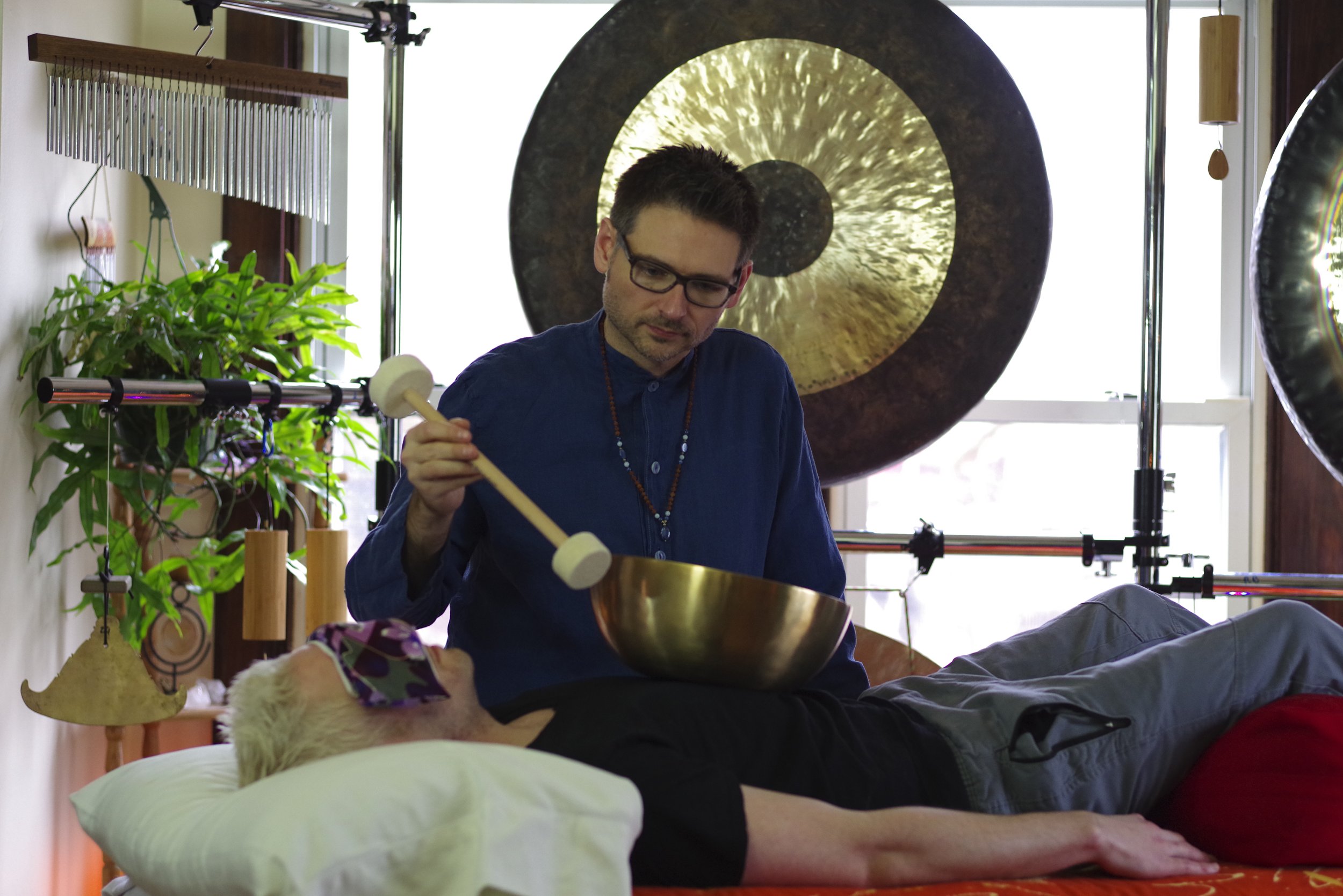
Sound is not used as distraction. When applied intentionally, it becomes a bridge back into the body.
Through restorative sound, the nervous system learns that it can slow down without danger. Attention is anchored. Muscles soften. Breath deepens. Over time, the system begins to tolerate quiet again—not because it was forced, but because it feels safe.
Many people begin with group sound journeys, where co-regulation and shared presence reduce the sense of isolation that often accompanies stress.
Learning How Stress Affects the Body
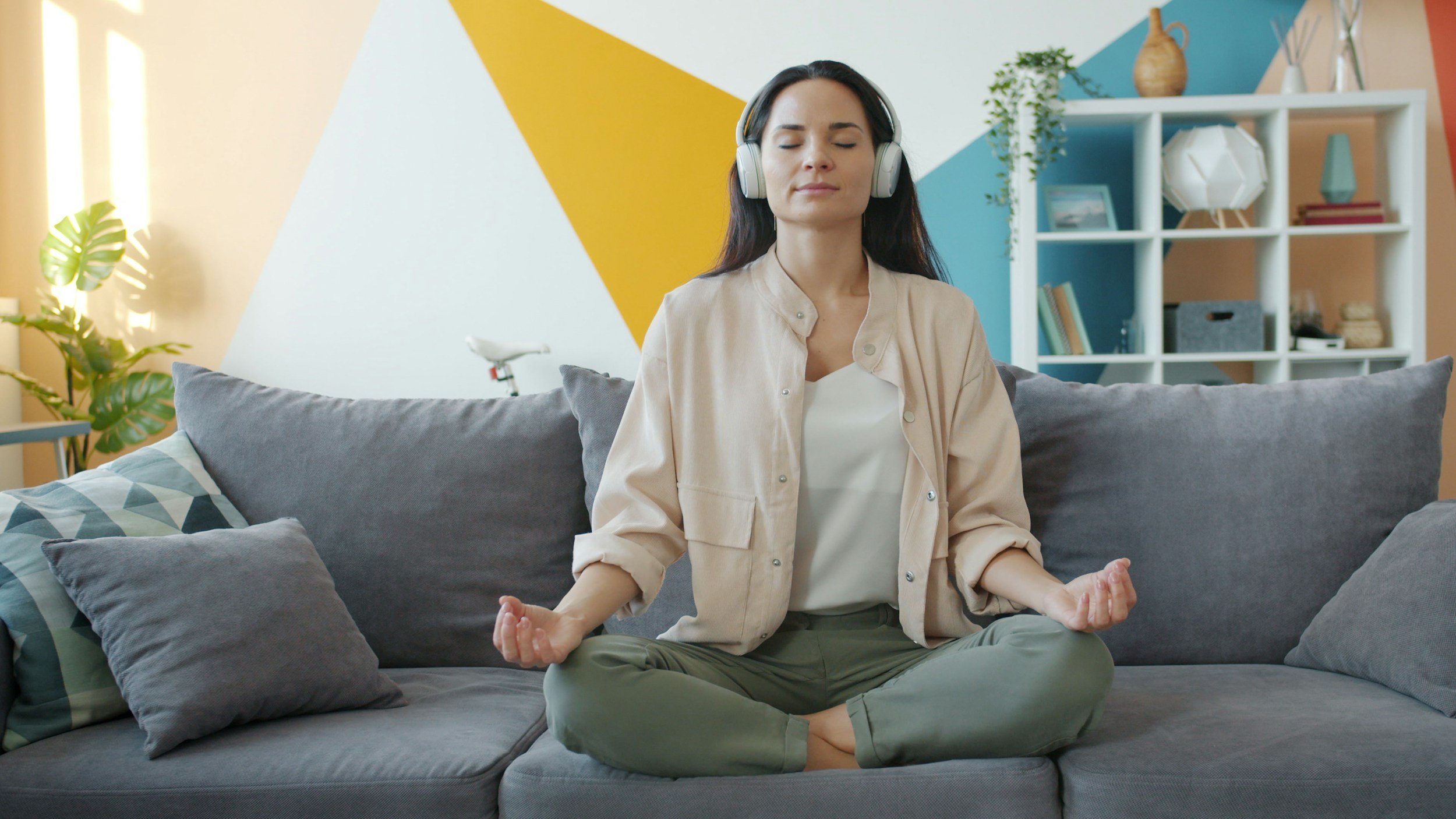
Understanding what stress does to the nervous system changes how people approach rest. Instead of blaming themselves for struggling with silence, they learn to listen to what their bodies need.
Through sound healing classes and nervous system education, people gain practical tools for working with stress in daily life. This learning helps reduce shame and replaces it with clarity, agency, and compassion.
These educational classes are not about performance or perfection. They are about learning how regulation actually works and how to support it gently.
From Personal Support to Professional Training
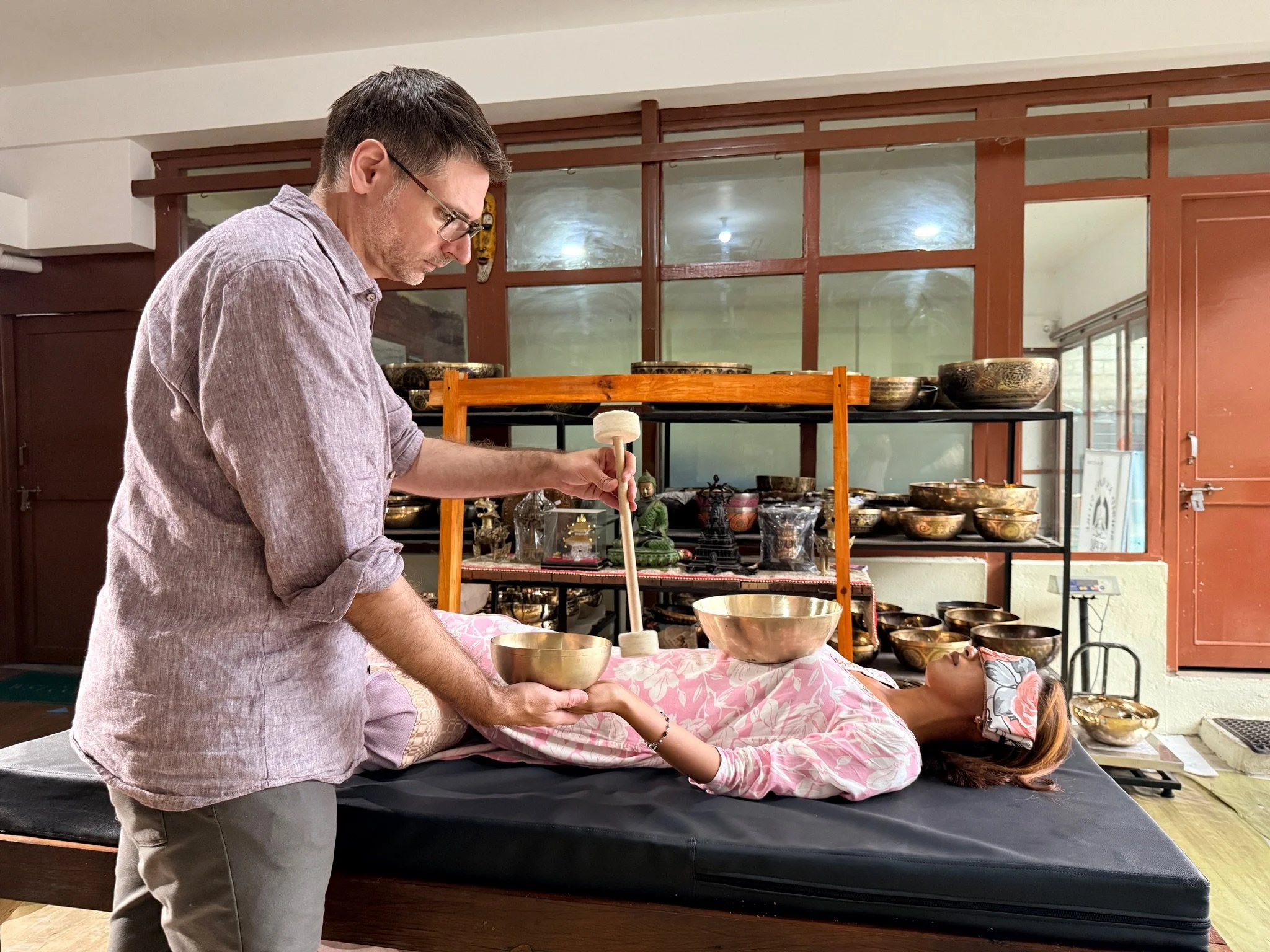
Some people feel called to go further. They see how stress is affecting their families, communities, or workplaces and want to learn how to support others responsibly.
The Rooted In Sound Academy offers professional training in sound therapy training that is ethical, scope-aware, and grounded in nervous-system-informed practice. This path is for those who want to serve without pushing, fixing, or overwhelming the people they work with.
Call to Action
If silence feels difficult, you do not need to force it. Support can help your nervous system settle in ways that feel safe and sustainable.
If you are seeking personal support, explore sound therapy and sound baths through Rooted In Sound. These experiences are designed to help your system regulate during prolonged stress.
If you want to better understand how stress affects your body, our sound healing classes and nervous system education offer practical tools you can use immediately.
If you feel called to support others, the Rooted In Sound Academy provides professional training for the world we are living in now.
You do not need to push through stress or wait until things feel easier.
Begin by exploring Rooted In Sound.