

Burnout Is a Nervous System Condition, Not a Personal Failure

Burnout Is Not a Motivation Problem
Many people experiencing burnout believe they are failing in some way. They tell themselves they should be more resilient, more disciplined, or better at resting. When exhaustion does not improve, self-blame often grows. People assume they are doing something wrong.
But burnout is not a lack of motivation or willpower. It is a state of nervous system exhaustion. When stress has been ongoing for too long, the body shifts into survival mode and stays there. Over time, this drains energy, emotional capacity, and the ability to recover.
If you feel tired no matter how much you rest, emotionally flat or easily irritated, disconnected from meaning, or stuck between feeling “on edge” and shut down, these are not personal shortcomings. They are signs that your nervous system has been overworked.
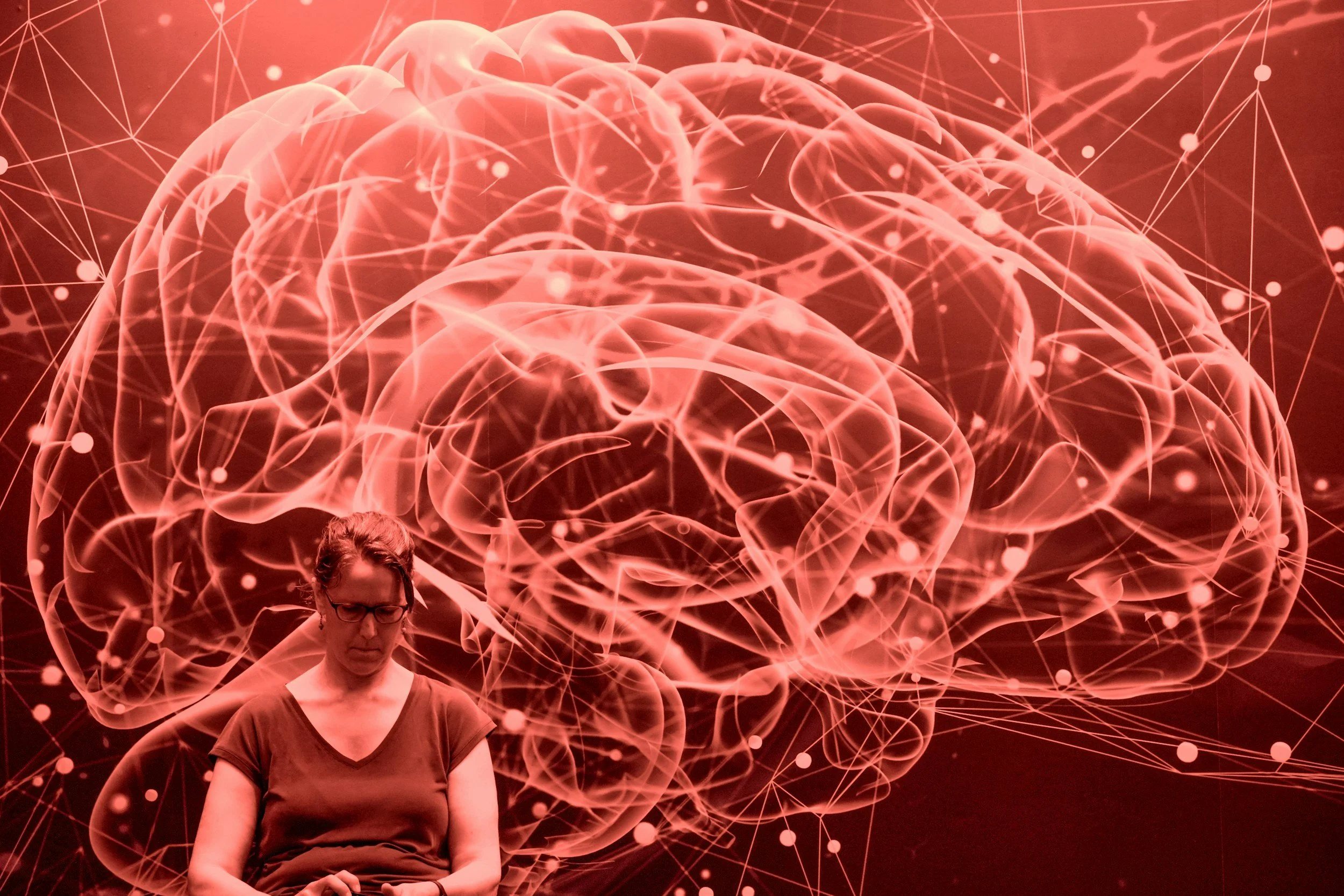
What Burnout Does to the Nervous System
Burnout develops when stress becomes chronic and recovery never fully happens. The nervous system stays activated for extended periods, constantly adapting to pressure, responsibility, and demand. Over time, it loses flexibility.
Instead of moving naturally between effort and rest, the system becomes stuck. Some people feel constantly tense and anxious. Others feel numb, withdrawn, or depleted. Many experience both at different times.
This is why burnout feels different from ordinary tiredness. Sleep does not restore energy the way it once did. Time off does not bring relief. Even enjoyable activities can feel draining. The system is no longer able to reset on its own.
The World Health Organization now recognizes burnout as an occupational phenomenon in the ICD-11. This matters because it confirms what many people are experiencing: burnout is a health issue, not a personal failure.

Why Burnout Increased After 2020
Since 2020, burnout rates have increased sharply and remain elevated, especially in healthcare, education, caregiving, and service-based professions. Many people have been carrying prolonged responsibility, uncertainty, emotional labor, and rapid change without adequate recovery.
The nervous system was not designed to sustain this level of demand for years at a time. Even people who appeared to be coping well were often doing so at a cost.
Burnout did not appear suddenly. It accumulated quietly, as systems stayed activated without enough support to come back down.

Why Rest Stops Working the Way It Used To
One of the most confusing aspects of burnout is that rest often stops working. People take time off, sleep more, or reduce responsibilities, yet the exhaustion remains.
This happens because the nervous system no longer recognizes rest as safe or restorative. Even when external demands decrease, internal activation stays high. Muscles remain tense. Breathing stays shallow. The mind keeps scanning for what comes next.
People often say, “I rested, but nothing changed,” or “I’m tired even when I do nothing.” This does not mean rest is useless. It means rest alone is no longer enough.
The system needs nervous system support, not more effort.

Burnout Looks Like Depletion, Not Laziness
Burnout often affects the most capable people first. Those who care deeply. Those who carry responsibility. Those who keep going long past healthy limits.
When the nervous system becomes depleted, it conserves energy. That conservation can look like low motivation, emotional numbness, irritability, or withdrawal. This is not laziness. It is biology.
Burnout is the body saying it no longer has the capacity to operate at the same pace. Ignoring that message only deepens exhaustion.

Burnout and the Loss of Meaning
Burnout often comes with a loss of meaning. People begin to question why they no longer care about work, relationships, or goals that once mattered. This can feel frightening or discouraging.
Loss of meaning is not a spiritual failure. It is often a consequence of nervous system exhaustion. Meaning, creativity, and purpose require energy. When the system is depleted, it prioritizes survival.
As regulation returns, meaning often follows naturally. Purpose does not need to be forced. It emerges when capacity is restored.

Understanding Burnout Changes the Healing Process
Learning how burnout works can be deeply relieving. When people understand that their experiences have a physiological basis, shame begins to soften.
Instead of asking, “What’s wrong with me?” people begin asking, “What does my system need right now?”
Through sound healing classes and nervous system education, people learn why burnout feels the way it does and how recovery happens over time. This knowledge helps people make kinder, more supportive choices for themselves.
Many people explore educational classes simply to understand their own stress responses and learn how to regulate without pushing.
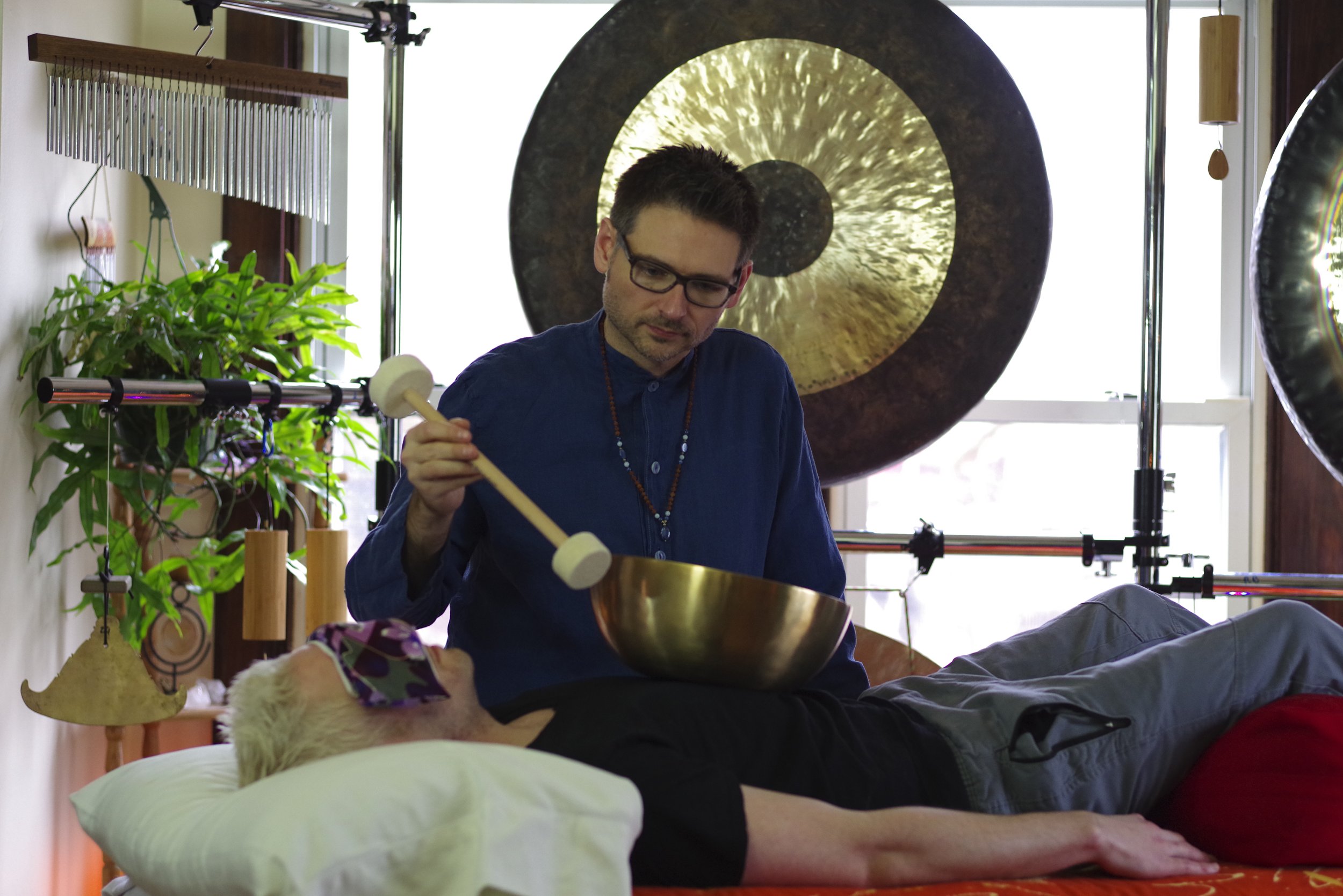
When Personal Healing Becomes a Call to Help Others
Some people find that their own experience of burnout awakens a deeper calling. They recognize how widespread exhaustion has become and want to support others in ways that do not repeat the same cycle of pressure.
The Rooted In Sound Academy offers professional training for those who want to work with nervous systems ethically and responsibly. This training focuses on regulation, presence, and scope-aware practice rather than fixing or forcing outcomes.
In a world shaped by chronic stress, people need practitioners trained to regulate the nervous system, not push it harder.
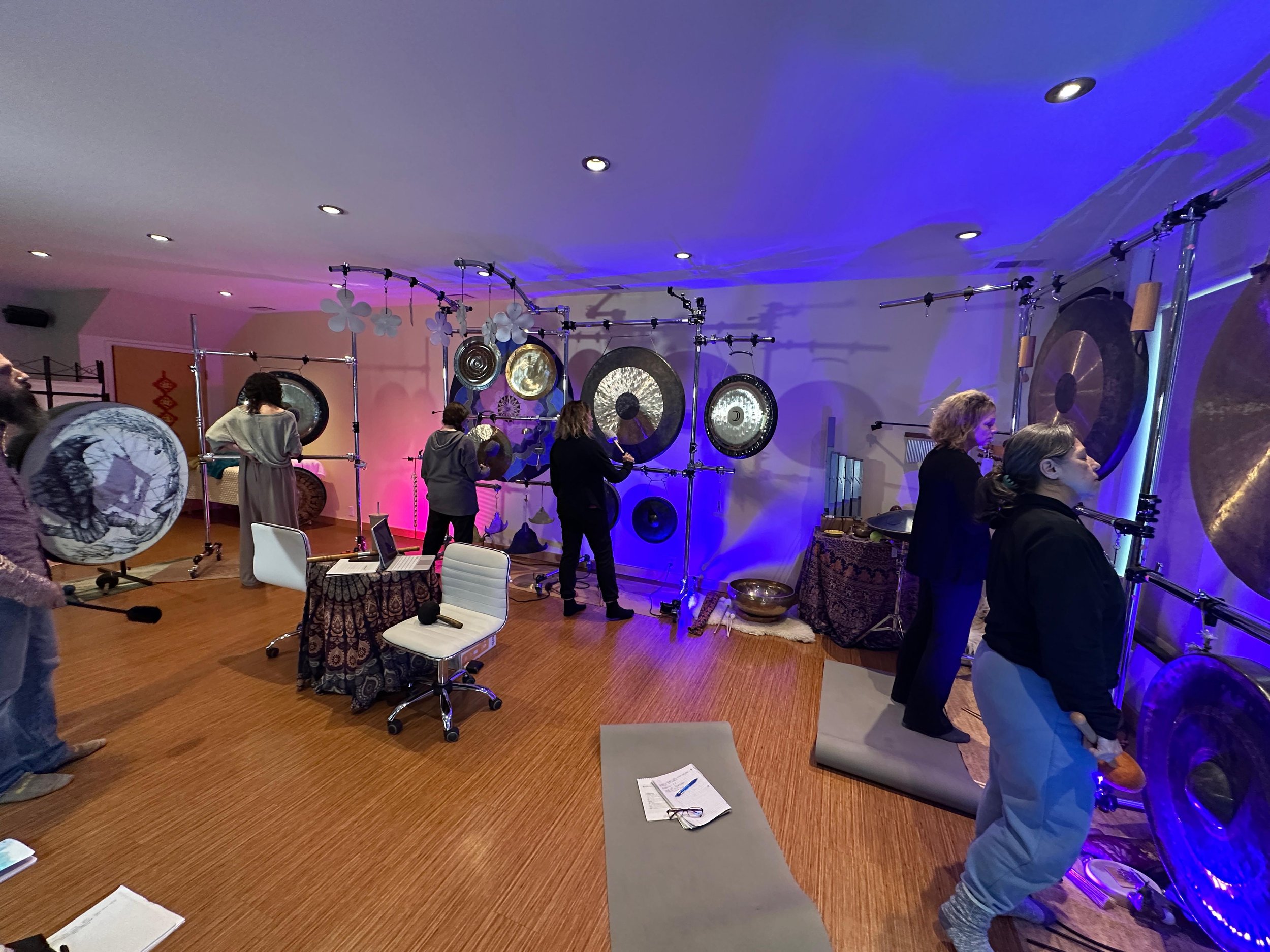
When Personal Healing Becomes a Call to Help Others
Some people find that their own experience of burnout awakens a deeper calling. They recognize how widespread exhaustion has become and want to support others in ways that do not repeat the same cycle of pressure.
The Rooted In Sound Academy offers professional training for those who want to work with nervous systems ethically and responsibly. This training focuses on regulation, presence, and scope-aware practice rather than fixing or forcing outcomes.
In a world shaped by chronic stress, people need practitioners trained to regulate the nervous system, not push it harder.
Burnout Is a Signal, Not an Endpoint
Burnout is not the end of your capacity. It is a signal.
It is your nervous system communicating that it needs support, not criticism. With the right kind of care, flexibility can return. Energy can rebuild. Meaning can re-emerge.
This process is not instant, but it is possible.
Call to Action
If you are experiencing burnout, you do not need to push through it or wait until things fall apart. Support helps.
If you are seeking personal support, explore sound therapy and sound baths designed to help an overworked nervous system settle safely.
If you want to better understand what burnout is doing to your body, sound healing classes and nervous system education offer practical insight you can use immediately.
If you feel called to support others, the Rooted In Sound Academy provides professional training for the world we are living in now.
Burnout is not a personal failure.
It is a nervous system asking for care.
Begin with Rooted In Sound.