

How Small Changes Can Make Your Day Feel Lighter

Many people believe that feeling better requires a major shift—more time off, a new routine, or a complete reset. When stress builds, the instinct is often to look for a big solution. But the body does not change through dramatic effort. It responds to what happens repeatedly, in small moments, throughout the day.
Feeling lighter is not about fixing your life. It is about reducing the constant strain your system carries as it moves from one moment to the next. Small changes matter because they shape how your body experiences safety, pace, and support over time.
At Rooted In Sound, this understanding guides everything we offer. Sustainable wellbeing grows from gentle, consistent support—not from pushing harder or doing more.
Feeling Lighter Is a Body Experience
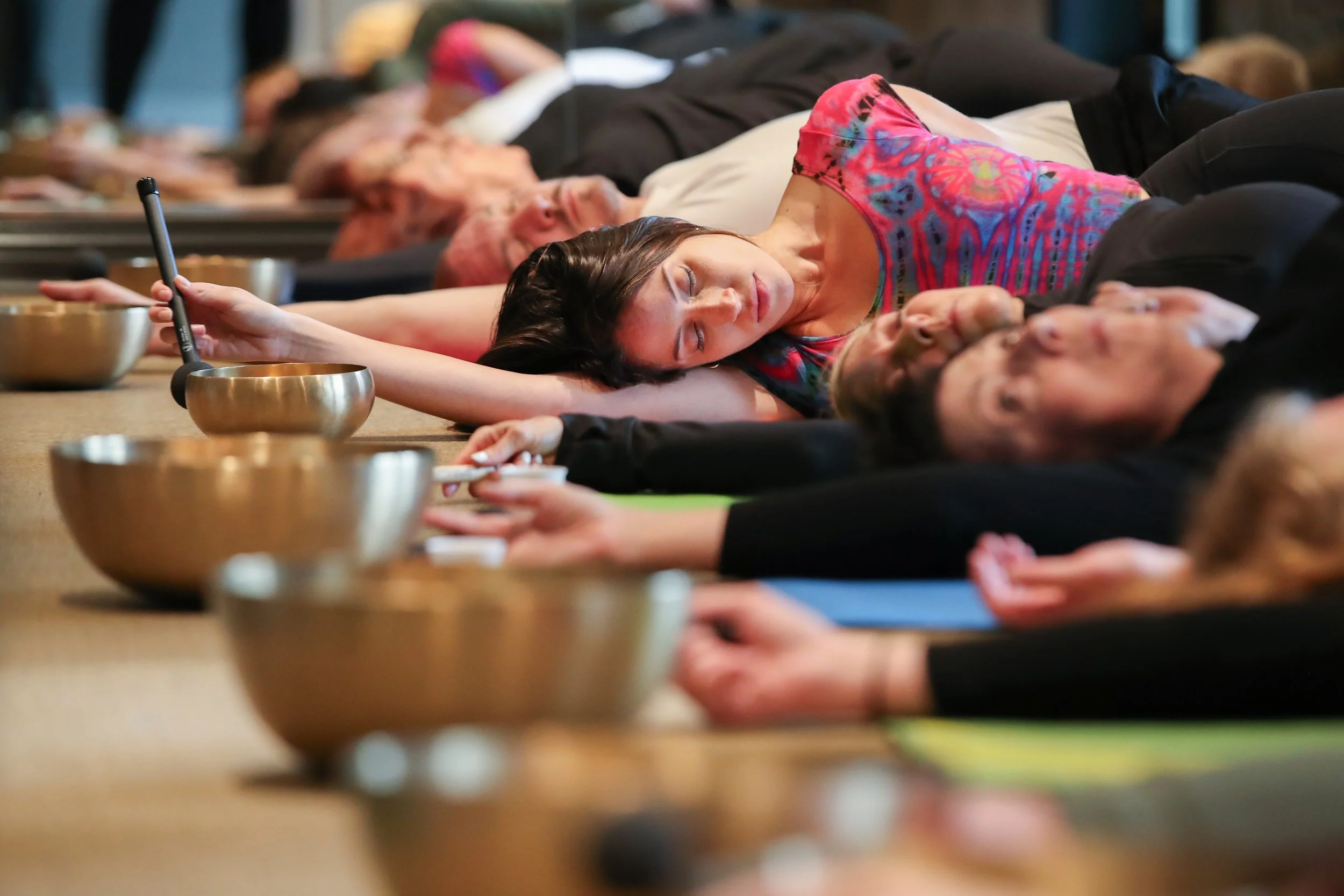
When people say they want to feel lighter, they are usually describing a physical sensation. Less tightness in the chest. Less pressure in the head. Less effort to stay focused or emotionally steady. These sensations are not created by positive thinking alone. They are shaped by how the nervous system responds to daily input.
Your body is always receiving information from sound, movement, light, pace, and transitions. When these signals feel rushed, loud, or unpredictable, the nervous system stays alert. Muscles hold tension. Breathing becomes shallow. Over time, this state becomes normal, even on days that are not objectively stressful.
Small changes help because they gently shift these signals. They tell the body that it does not need to stay on high alert all the time.
Why Small Changes Have a Big Impact

The nervous system does not respond to intention. It responds to experience. You might intend to relax, but if your day stays fast, noisy, and overstimulating, your body remains tense.
Small changes work because they reduce sensory load and interrupt stress before it accumulates. Pausing before standing up, walking more slowly between tasks, or taking one unhurried breath before responding to a message may seem insignificant, but to the nervous system, these moments signal safety and predictability.
Over time, these signals lower baseline stress and improve recovery. This is why small, consistent support often leads to more lasting change than occasional intense efforts.
How Sound and Pace Shape the Nervous System
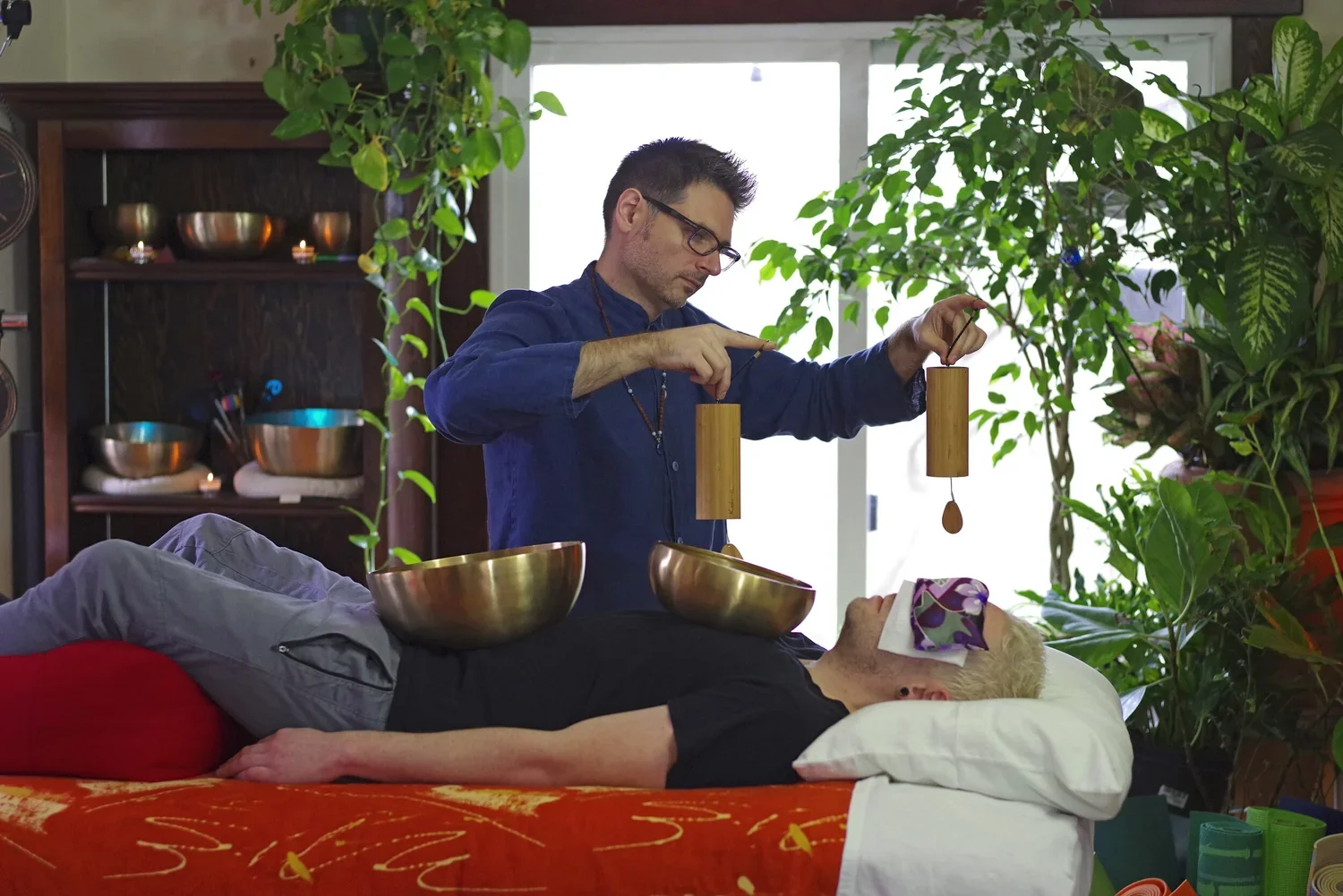
Sound plays a powerful role in how the body feels, even when you are not consciously listening. Constant background noise—traffic, notifications, media—keeps the nervous system engaged and alert. This often shows up as fatigue, irritability, or mental fog.
Reducing unnecessary sound can create immediate relief. Turning down background volume, allowing moments of quiet during transitions, or choosing calmer audio instead of constant stimulation helps the body settle. This is one reason people often feel grounded after attending sound-based experiences. The sound environment feels intentional rather than demanding.
Pace works the same way. You do not need to change your schedule to slow down. Changing how you move through your day—pausing briefly between activities, letting one moment end before starting the next—helps the nervous system release tension instead of carrying it forward.
Creating Support Through Environment and Rest
Your physical environment sends signals to your nervous system whether you notice them or not. You do not need a perfectly designed space for it to feel supportive. Small adjustments are enough. Softening lighting, opening a window, clearing one surface, or sitting in a more supportive position can change how your body responds.
Rest also does not need to be long or dramatic to be effective. Many people wait until they are exhausted before resting, but the nervous system benefits more from short, regular pauses. Sitting quietly for a few minutes, closing your eyes without trying to relax, or listening to a single sound can help the body reset.
When the body begins to slow, emotions sometimes surface. This does not mean something is wrong. It means the nervous system finally feels safe enough to release what it has been holding. Over time, this release often leaves people feeling clearer and lighter.
Supporting Small Changes With Rooted In Sound
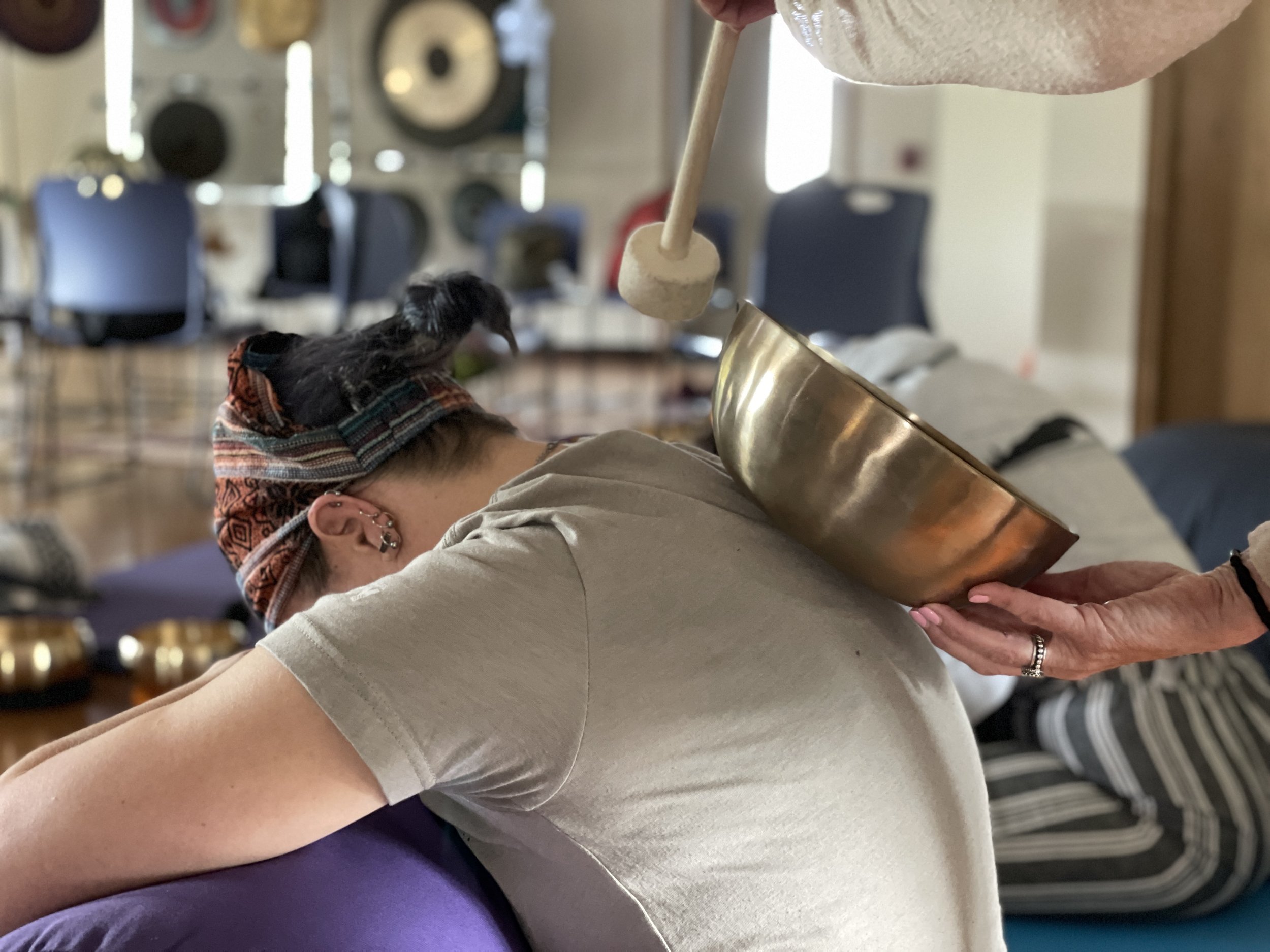
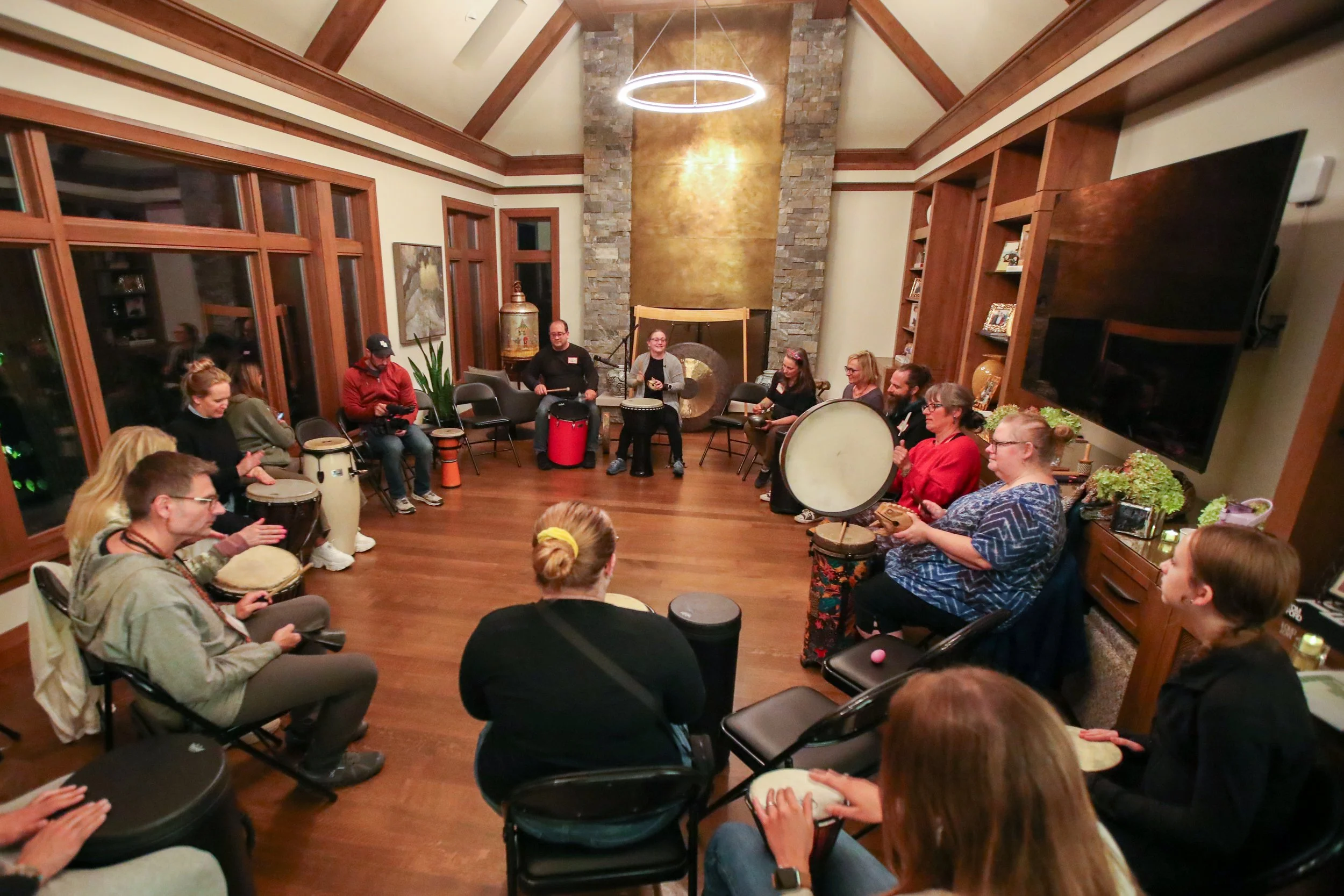
At Rooted In Sound, our offerings are designed to support the nervous system gently and consistently. Sound baths, sound journeys, and private sessions create an environment where the body can settle without effort. Workshops and educational programs build on this foundation, helping people understand how to support themselves beyond a single experience.
These experiences are not about escaping life. They are about reducing unnecessary strain so daily life feels more manageable and balanced.
Small changes matter because they are sustainable. They build trust between you and your body. Over time, your day feels lighter—not because everything has changed, but because your system feels supported.
A Gentle Way Forward
You do not need to apply everything at once. Choose one small change. Slow one transition. Reduce one source of noise. Add one brief pause. Let that be enough.
Feeling lighter does not mean life becomes easy. It means your body is not carrying more than it needs to.
If you are ready to experience this kind of support in a guided way, Rooted In Sound offers opportunities to explore sound-based rest, regulation, and education in a grounded and welcoming environment.

Call to Action
Explore upcoming Rooted In Sound events, book a private session, or learn more about our educational offerings designed to support long-term wellbeing.
Visit RootedInSound.com to find an experience that supports where you are right now.
Small changes begin here.