Sound Healing vs Meditation: What’s the Difference?
In today’s fast-paced, always-connected world, more people are searching for ways to slow down, manage stress, and reconnect with themselves. Two practices that often come up in this search are meditation and sound healing. While both are used to support relaxation, clarity, and overall wellbeing, many people wonder.
What is the difference between sound healing and meditation — and which one is right for me?
If you’ve ever tried meditation and found it difficult to quiet your mind, or if you’re curious about sound baths and vibrational healing but aren’t sure what to expect, you’re not alone. This guide breaks down both practices in a simple, approachable way — explaining how they work, their benefits, and how they fit into modern life.

Why People Compare Sound Healing and Meditation
Meditation has been practiced for thousands of years and is widely known as a tool for mindfulness and mental clarity. Sound healing, while also ancient, has gained popularity more recently as people look for alternative or complementary ways to regulate stress.
Both practices:
Encourage presence and awareness
Support relaxation and emotional balance
Help counter overstimulation and burnout
However, they work in very different ways, and understanding those differences can help you choose the practice that best supports your lifestyle and needs.
What Is Meditation?
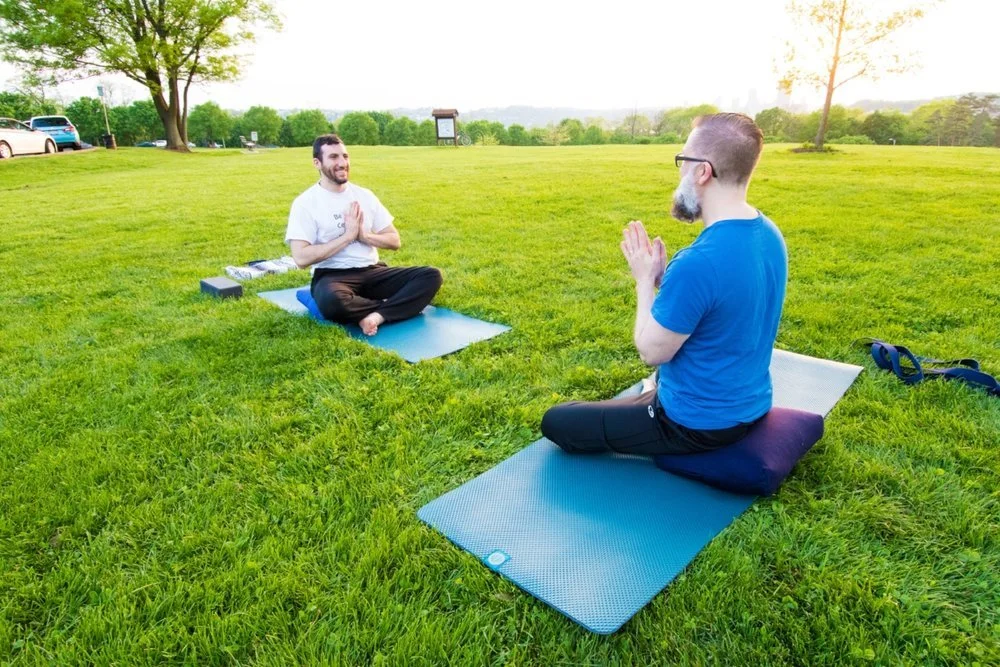
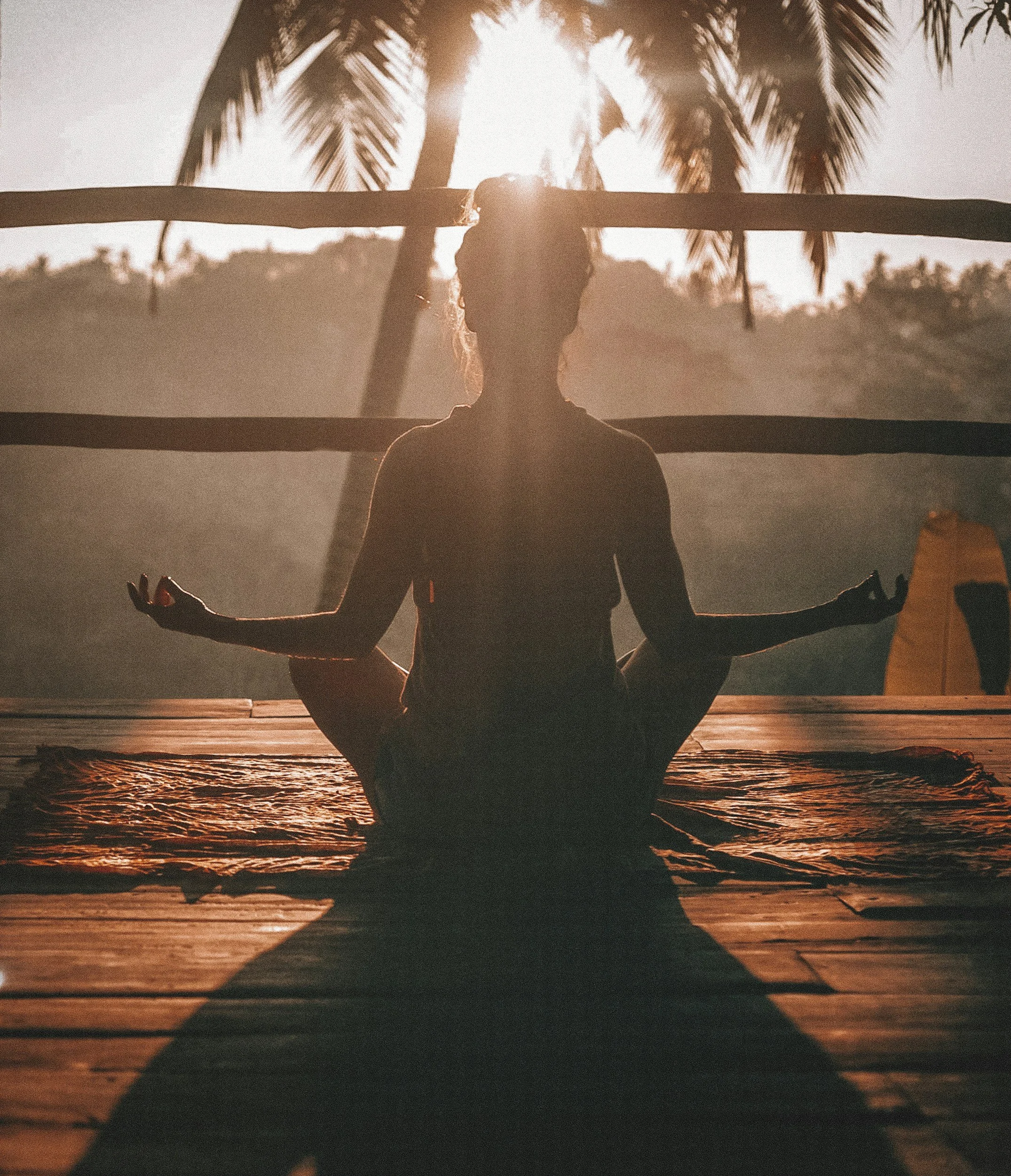
Meditation is a practice that involves training the mind to focus, observe, or become aware of the present moment. While there are many styles, most meditation practices involve some form of intentional attention.
Common Types of Meditation
Breath-focused meditation – attention on the breath
Mindfulness meditation – observing thoughts and sensations
Guided meditation – following verbal instructions
Mantra meditation – repeating a word or phrase
Regardless of the style, meditation typically requires active participation. You are consciously directing your awareness, noticing when the mind wanders, and gently bringing it back.
Benefits of Meditation
Meditation has been widely studied and practiced for centuries. Some commonly reported benefits include:
Improved focus and concentration
Greater emotional awareness
Increased sense of calm
Better stress management
Stronger mindfulness skills in daily life
For many people, meditation becomes a long-term practice that supports mental clarity and emotional resilience.
Challenges People Face With Meditation
While meditation is beneficial, it’s not always easy — especially for beginners.
Common challenges include:
Difficulty quieting the mind
Feeling restless or impatient
Frustration with “doing it right”
Trouble staying consistent
In a world full of constant stimulation, sitting in silence can feel uncomfortable or even overwhelming for some people. This is often where people begin exploring sound healing.
What Is Sound Healing?
Sound healing is a practice that uses vibration, frequency, and sound to support relaxation and balance in the body and mind. Instead of focusing on thoughts or breath, participants are invited to listen and receive.
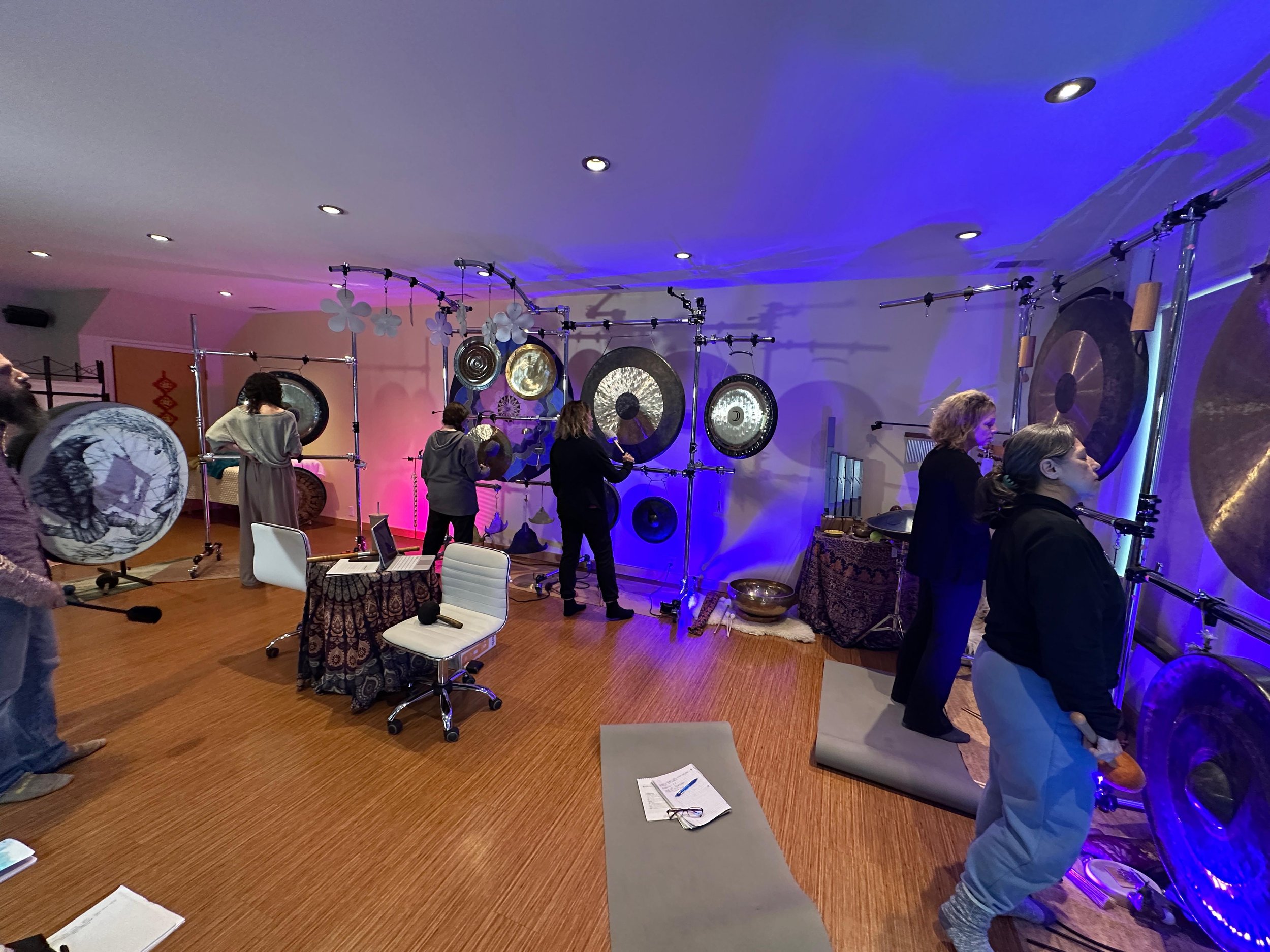
Sound healing sessions often include instruments such as:
Gongs
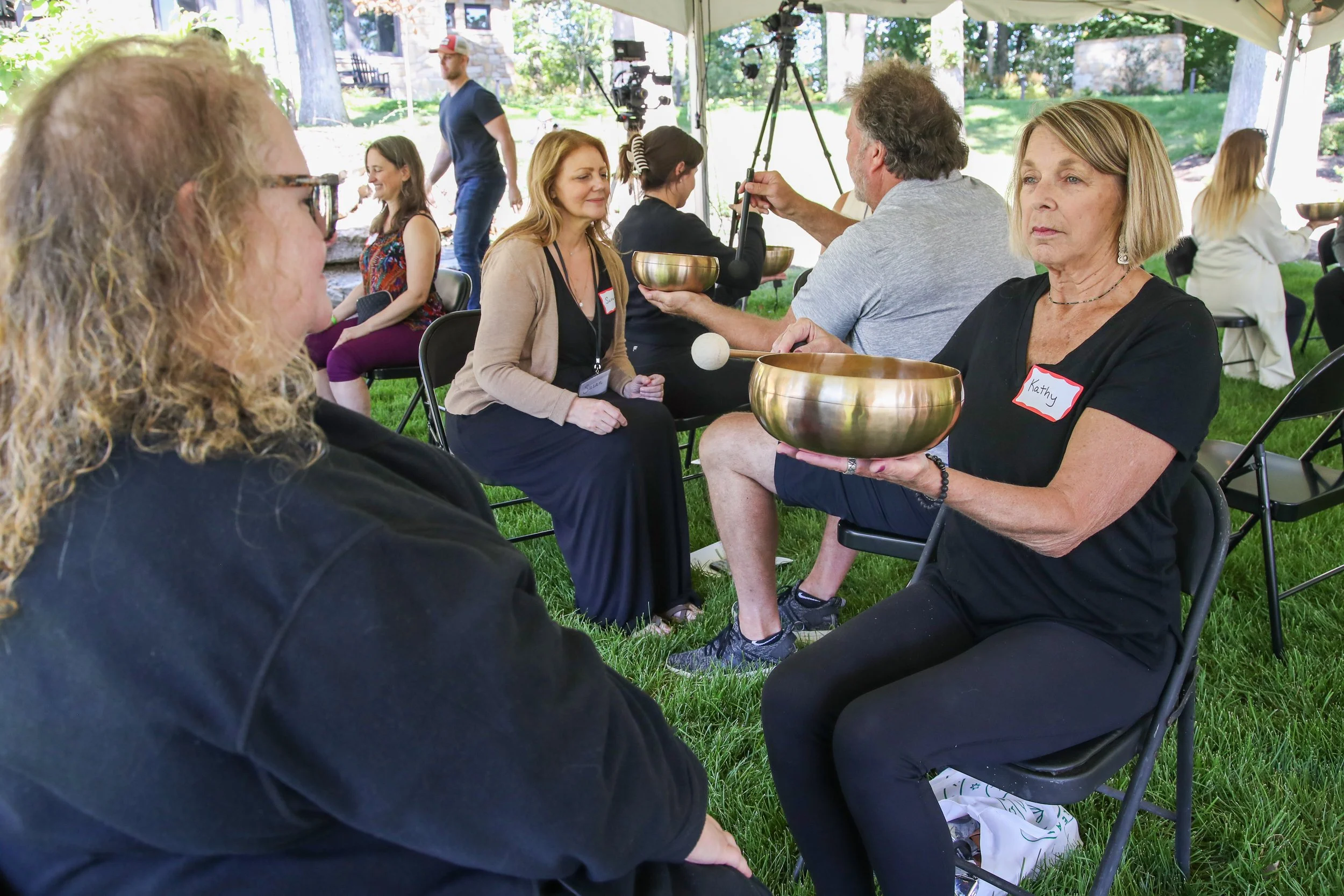
Himalayan or crystal singing bowls
Drums
Chimes
Voice or overtone chanting
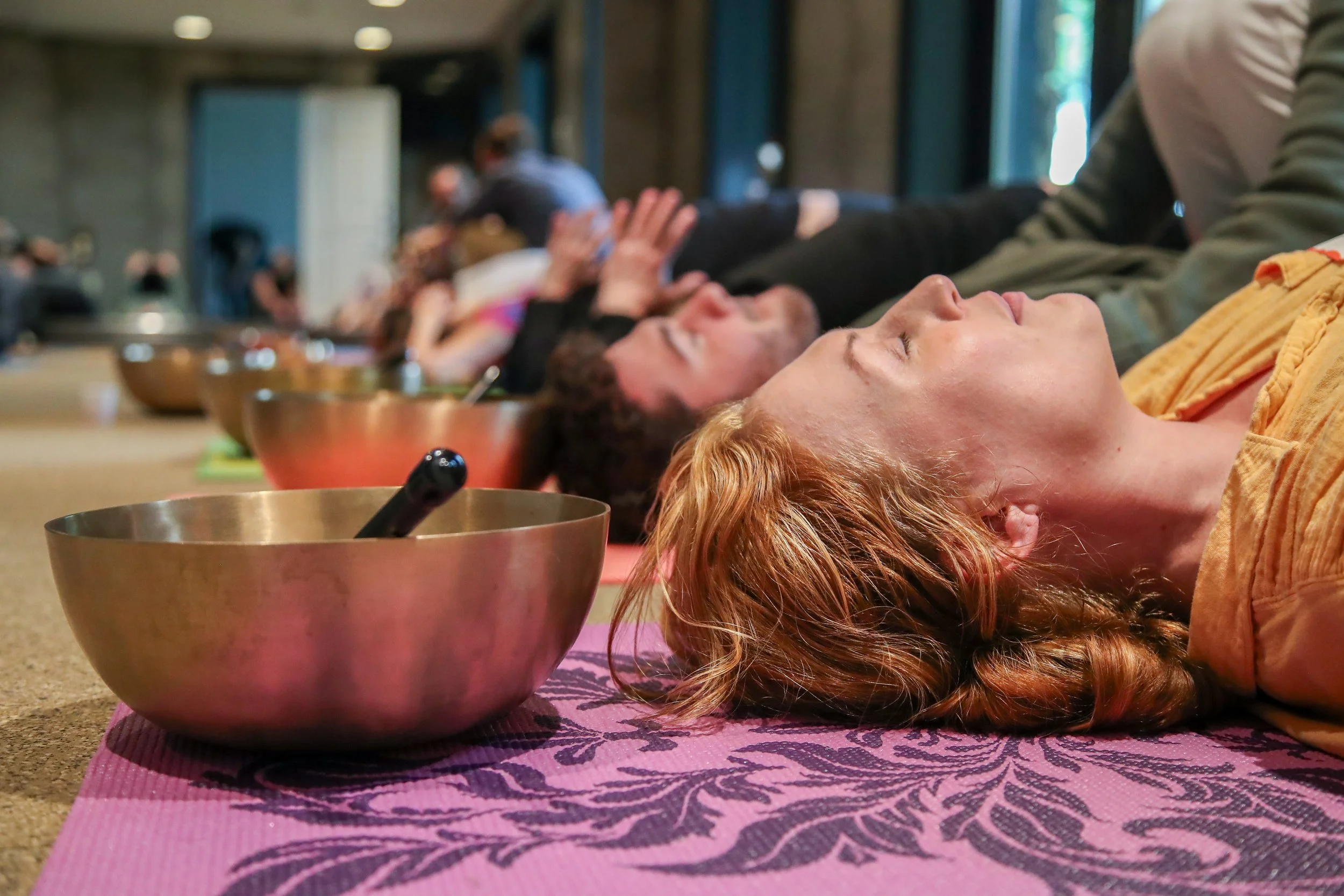
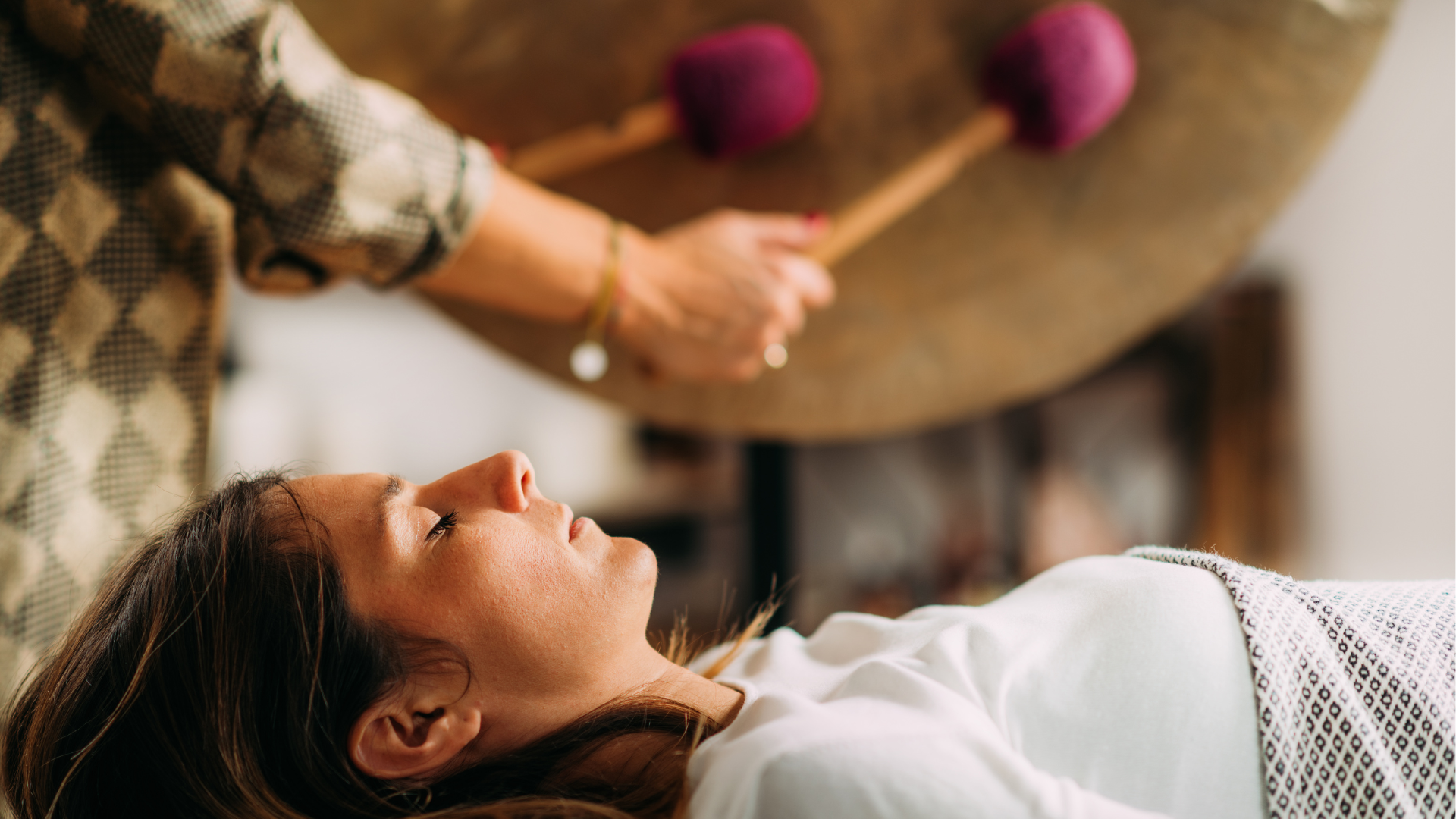
In a typical sound bath, participants lie down or sit comfortably while sound waves move through the space and the body.

How Sound Healing Works
Sound healing works through vibration. When sound waves travel through the body, they can influence the nervous system by encouraging a shift from a state of stress to one of rest.
Unlike meditation, sound healing does not require effort or concentration. You don’t need to control your thoughts or focus on a technique. The experience is often described as immersive and supportive, especially for people who find silence challenging.

Benefits of Sound Healing
Many people turn to sound healing because it feels accessible and deeply calming. Commonly reported benefits include:
Deep relaxation
Stress relief
Nervous system regulation
Emotional release
Improved sleep quality
A sense of grounding and safety
Because sound healing works on a sensory level, it can be especially helpful for people experiencing burnout, anxiety, or overstimulation.

Sound Healing vs Meditation: Key Differences
While both practices support wellbeing, they differ in approach, experience, and accessibility.
1. Active vs Passive Participation
Meditation requires active mental engagement
Sound healing allows you to rest and receive
2. Focus vs Surrender
Meditation involves directing attention
Sound healing invites letting go
3. Silence vs Vibration
Meditation often happens in silence or with minimal guidance
Sound healing uses continuous sound and vibration
4. Learning Curve
Meditation can take time to feel comfortable
Sound healing is often immediately accessible
Which Is Better for Beginners?
There is no universal answer — it depends on the person. However, many beginners find sound healing easier to start with, especially if they struggle with restlessness or mental chatter.
Sound healing:
Requires no prior experience
Feels supportive rather than demanding
Helps the body relax naturally
Meditation, on the other hand, can be deeply rewarding for those willing to practice consistently, even through initial discomfort.

Sound Bath vs Meditation: A Modern Comparison
In modern life, many people are dealing with:
Screen fatigue
High stress levels
Information overload
Burnout
Sound baths offer a way to downshift quickly, without needing to “do” anything. Meditation builds long-term awareness but may feel challenging when the nervous system is already overwhelmed.
This is why many wellness practitioners recommend combining both practices rather than choosing one over the other.

Can You Practice Sound Healing and Meditation Together?
Absolutely. In fact, many people find that sound healing supports their meditation practice.
Examples include:
Using sound baths to relax before meditation
Meditating during gentle sound sessions
Using sound as an anchor for mindfulness
At Rooted in Sound, sound healing sessions are often designed to complement mindfulness practices, creating an environment where meditation becomes more accessible and embodied.
Sound Healing in Community vs Solo Meditation
Meditation is often practiced alone, while sound healing frequently happens in group settings. Group sound healing can offer:
A sense of connection
Shared presence
Collective calm
Community-based experiences, like those offered at Rooted in Sound, help people feel supported and grounded — something many crave in modern life.
Choosing the Right Practice for Your Lifestyle
Ask yourself:
Do I want structure or surrender?
Am I mentally overstimulated or emotionally disconnected?
Do I prefer quiet introspection or sensory experience?
If you enjoy self-discipline and inner focus, meditation may suit you well.
If you feel exhausted, overwhelmed, or disconnected from your body, sound healing can be a gentle entry point.
Many people move fluidly between both, depending on what they need at different times.
Why Sound Healing Is Gaining Popularity Today
Sound healing resonates with modern life because it:
Counters digital overload
Encourages rest without effort
Supports nervous system balance
Feels inclusive and non-intimidating
Studios like Rooted in Sound focus on creating safe, intentional spaces where sound is used not as entertainment, but as a tool for wellbeing, learning, and personal growth.
Final Thoughts: Sound Healing vs Meditation
Sound healing and meditation are not competing practices — they are complementary tools for wellbeing. Meditation builds awareness over time, while sound healing offers immediate support and deep rest.
In a world that constantly demands attention, both practices remind us how to slow down, listen, and reconnect — whether through silence or sound.
Call to Action
If you’re curious to experience sound healing firsthand, explore the sessions, workshops, and educational programs offered at Rooted in Sound. Whether you’re new to mindfulness or deepening an existing practice, their offerings provide a grounded, welcoming way to explore sound as a path to balance and connection.
Explore upcoming sound healing sessions and workshops at Rooted in Sound
Learn more about sound education and immersive experiences