5 Myths About Sound Baths, Busted
Sound therapy has a reputation problem. To skeptics, it sounds like new-age fluff. To others, it sounds like a miracle cure. The truth sits quietly in between — and it's a lot more grounded than either extreme.
If you've been curious about a sound bath in Pittsburgh but held back by something you heard (or assumed), this guide is for you. Let's clear up the five myths we hear most often at Rooted In Sound.
Myth #1 : You have to be spiritual for a sound bath to work
Sound therapy isn't tied to any particular belief system. You don't need to meditate daily, follow a specific practice, or believe in energy fields for your body to respond to sound.
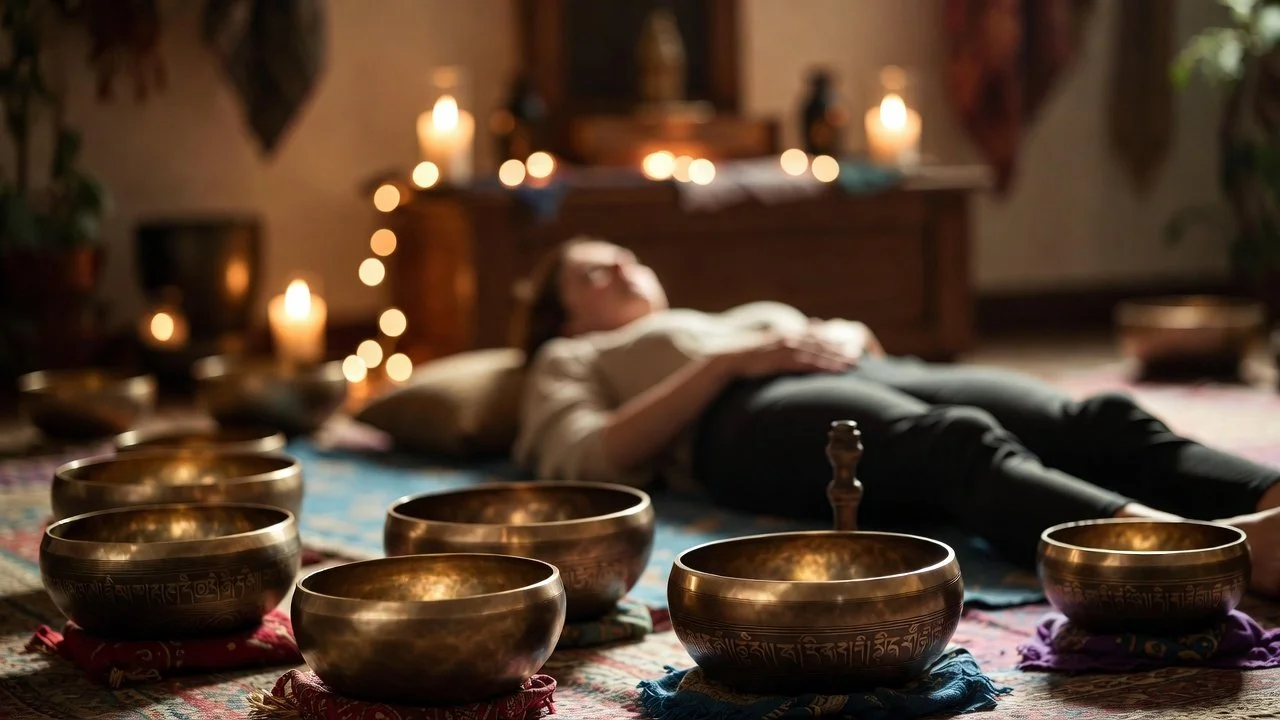
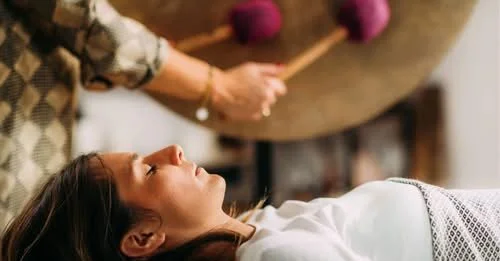
What's actually happening is physiological. Sustained tones and vibration from gongs, therapy-grade Himalayan singing bowls, and voice can shift your nervous system out of fight-or-flight and into a more relaxed state, similar to what slow breathing or a long walk does for the body. Whether you come in skeptical or open-hearted, your body still receives the session.
Myth #2 : It's just relaxing music
A sound bath isn't a playlist. The instruments are chosen and played specifically to create long, sustained vibrations you feel as much as hear. There's no melody to follow, no beat to anticipate — that's intentional. Your mind has less to grab onto, which is part of what lets it settle.
Music is designed for your ears. Sound therapy is designed for your whole body. If you've never experienced the difference, Sound Bath Thursdays is the easiest way to feel it firsthand.

Myth #3 : You have to feel something immediately for it to be working
Some people cry. Some fall asleep. Some leave feeling nothing dramatic at all — just a little lighter. All of these are normal, valid responses.
Nervous systems don't work on a schedule, and the effects aren't always felt in the moment. Many people notice a difference later that day: better sleep, less reactivity, more patience, rather than during the session itself.
Myth #4 : A sound bath replaces therapy or medical care
This one's important: Sound therapy is a wellness practice, not a substitute for mental health treatment or medical care. It can be a wonderful complement ,many people pair it with therapy, massage, or other bodywork to support the nervous system but it isn't diagnosing or treating anything.
At Rooted In Sound, sound work sits alongside other modalities like massage therapy andSound Reiki for exactly this reason: they support each other rather than replace each other.
Myth #5 : Once you've been to one sound bath, you've experienced them all
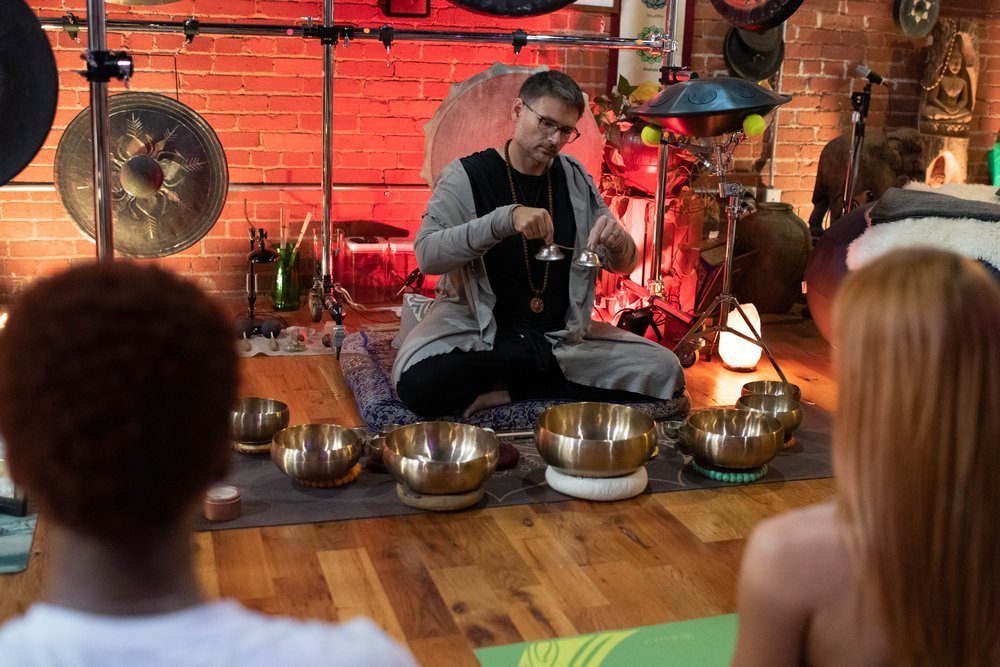
Every session is different, because every practitioner, room, and group of people is different. The instruments used, the pacing, even the time of day can change how a session feels. Someone whose first sound bath didn't land might have a completely different experience with a different practitioner or setting.
If your first try didn't land, that doesn't mean sound baths "aren't for you." It might just mean it wasn't the right room yet — which is part of why we train practitioners across a range of styles and techniques through theRooted In Sound Academy.
Ready to Feel the Difference for Yourself?
Reading about sound baths only gets you so far — the rest is felt, not explained. Here's how to take the next step:
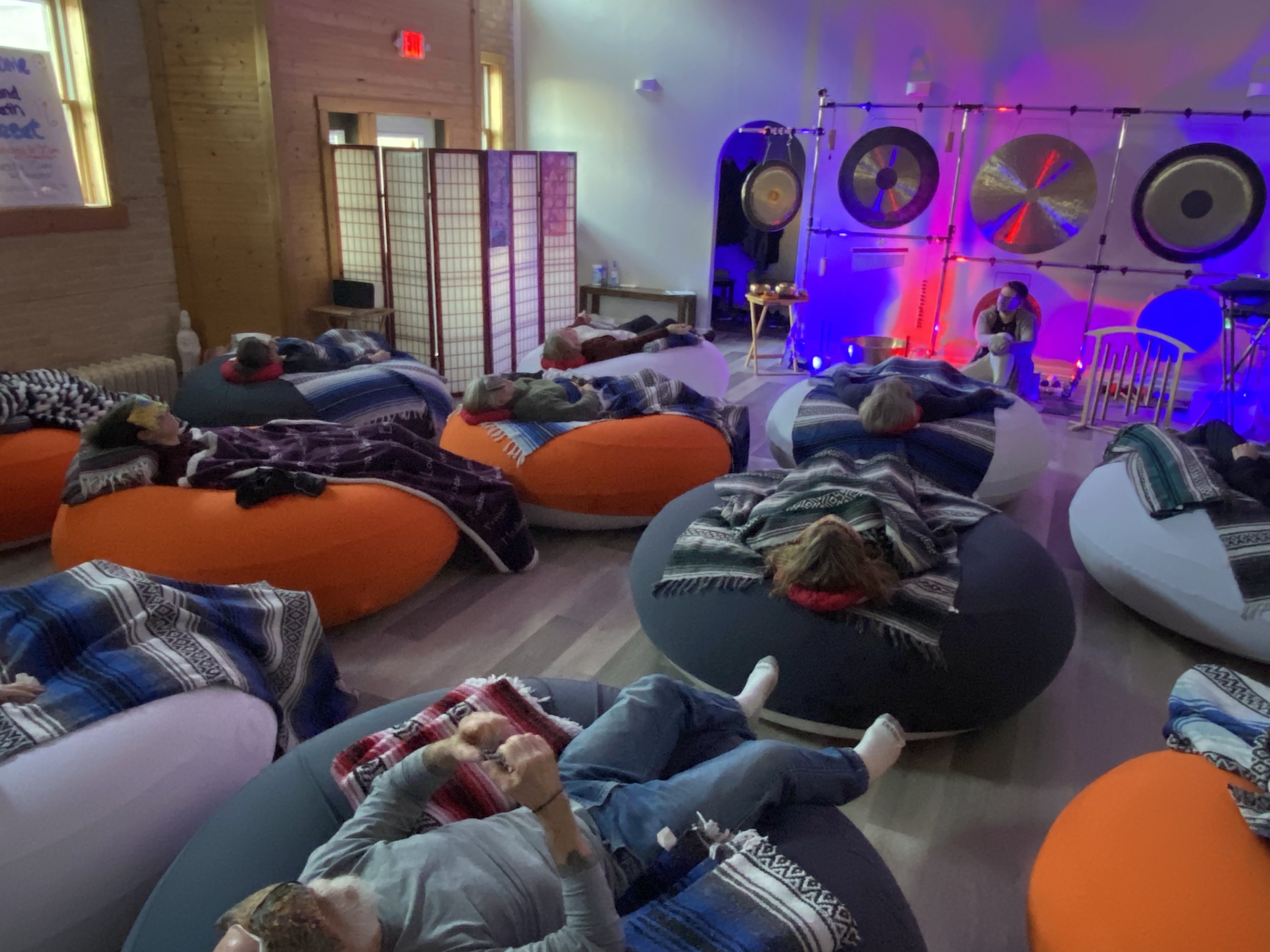
New to sound baths? Join us for Sound Bath Thursdays in Pittsburgh — no experience, belief system, or expectations required. Just come as you are. Space is limited to 10 participants, so reserve your spot early.
Curious about the deeper training behind it? Explore Rooted In Sound Academy, our ISTA-accredited sound therapy certification program for aspiring practitioners.
Want to explore sound + energy work together? Learn more aboutSound Reiki, where sound therapy and Reiki converge for deeper release.
Have a myth you want us to bust in a future post? Send it our way — we'd love to hear what's been holding you back from your first (or next) sound bath.