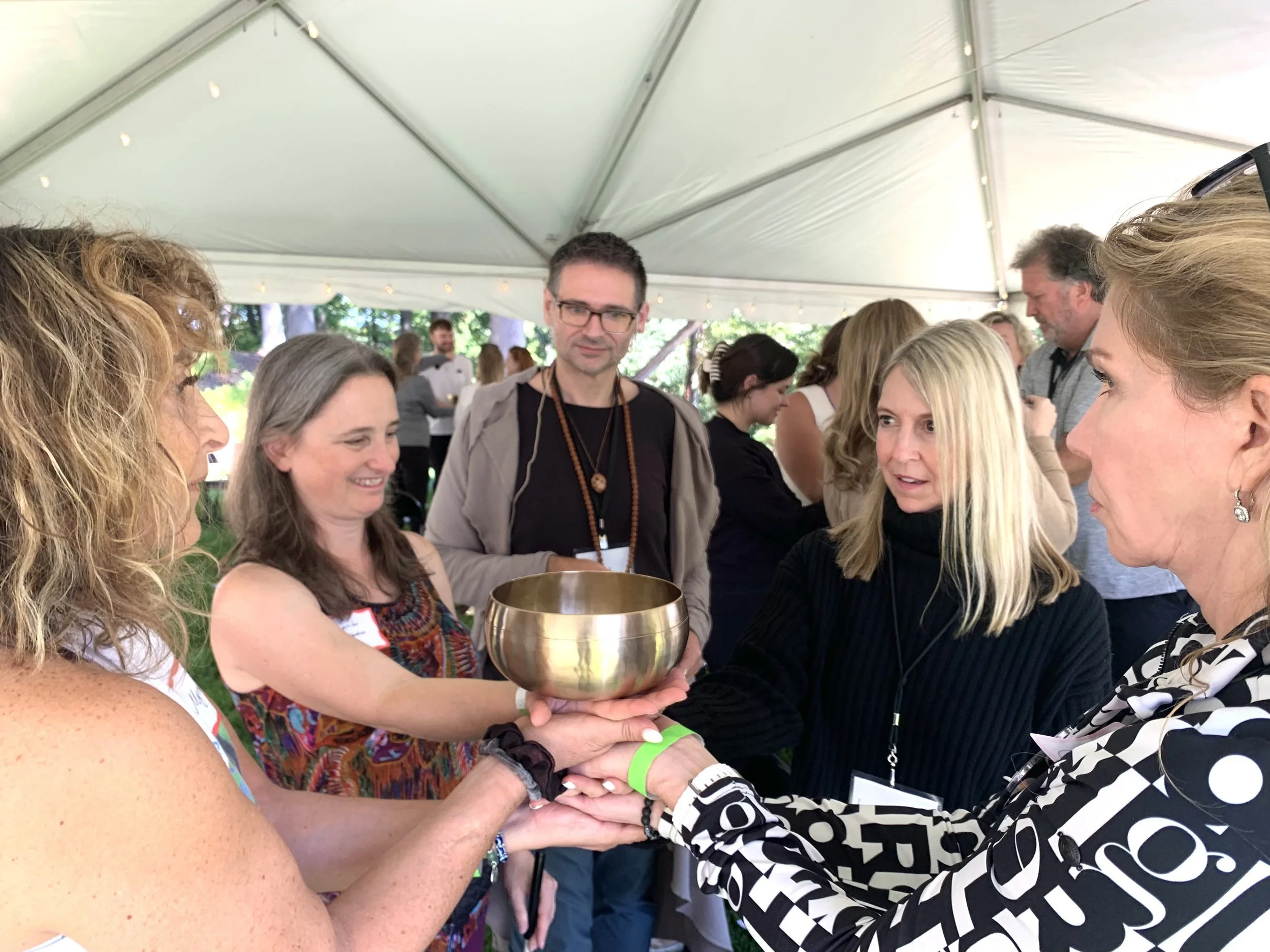
You've lain on a mat while a gong rolled through the room, and something in you shifted. Maybe you've since bought a singing bowl or started attending public sound baths every month. Now a quiet thought keeps coming back: "I could do this for other people."
Then comes the question almost everyone asks next: do I actually need a certification to practice sound therapy?
It's a fair question, and it deserves an honest answer, not a sales pitch. So let's look at what's legally required, what training really adds, and how to decide what's right for you.
The Short Answer: Legally, Usually No.
Sound therapy is generally considered an unregulated, complementary wellness practice. No government license says you must be certified before you pick up a gong or lead a group session. (Rules can vary by location, so check your local requirements before starting a business.)
That's why "Am I allowed to?" isn't the most useful question. A better one is:
"Will people trust me to do this safely, and will I be ready when someone truly needs me to hold space?"
Here's the thing about an unregulated field: anyone can call themselves a practitioner after a weekend workshop. Clients know this, and so do studio owners, retreat organizers, and corporate wellness buyers. As sound therapy has gone mainstream, the people hiring practitioners are asking sharper questions. Who trained you? How many hours did you complete? What standards do you follow?
What You Can Learn on Your Own?
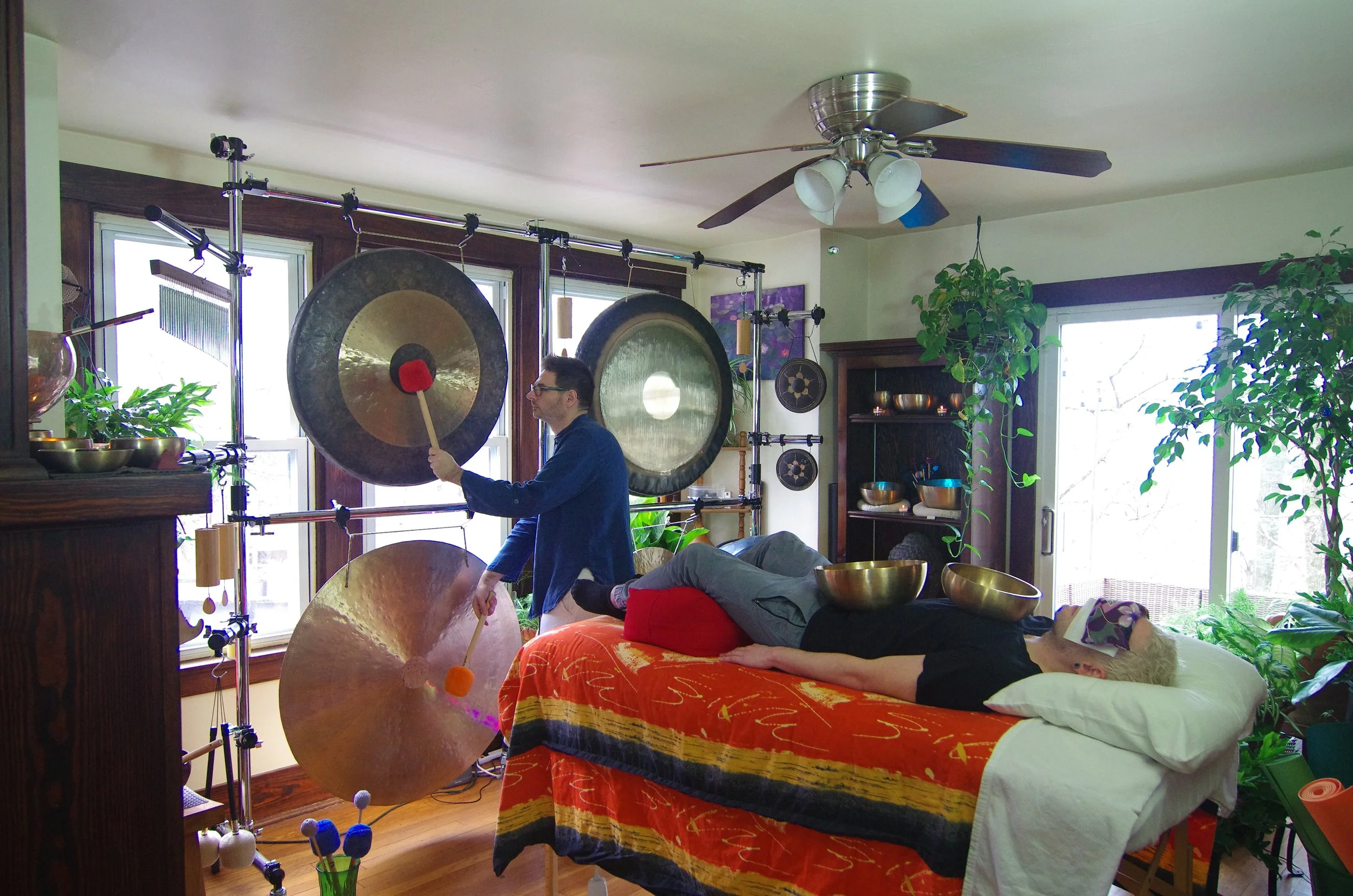
Self-study has real value. Plenty of useful skills are easy to pick up without a formal program:
• How to play a singing bowl, a set of chimes, or a simple drum
• The basic flow of a sound bath
• A handful of techniques from books, videos, and community classes
If sound is a personal practice, or you simply want more calm at home, a workshop or two may be all you need. You can even rent instruments before buying your own set, which is a smart way to find out what you love playing.
Informal learning isn't "bad." It's just limited. It teaches you how to make sound, but not necessarily how to work with people.
What Structured Training Adds (That YouTube Can't)?
A video can teach you technique. A structured program builds a practitioner. Here's what that difference looks like in real life.
1. Safety and scope of practice
Sound can shift your nervous system, your mood, and your emotions, sometimes more than a client (or you) expected. Good training teaches you who should be cautious, how to structure a safe session, when to refer someone to another professional, and how to stay inside your lane. At RIS Academy, that includes a dedicated Trauma Informed Workshop and an Ethics & Business Basics course covering confidentiality, informed consent, and professional boundaries.
2. Hands-on practice with real people
Reading about a session isn't the same as giving one. Our program requires 30 student practitioner sessions between classes, followed by a Supervision Class where you present case studies and receive feedback from instructors and peers. That's where theory turns into confidence.
3. Instruments you understand, not just own
Good training teaches how singing bowls, gongs, tuning forks, chimes, and drums are made and played, how to tell quality instruments apart, and which popular claims don't hold up. (Yes, we teach a class on marketing myths and misinformation, because the wellness world has plenty. If you enjoy honest takes like this, read our post on 5 myths about sound baths.)
4. A credential others can verify
Studios, retreat centers, and wellness spaces may ask who trained you. A recognized certification makes your answer simple and easy to check, so you spend less time explaining yourself and more time doing the work.
5. Confidence and pricing power
Many gifted practitioners undercharge because they feel they haven't "earned" the title. A real training path gives you something solid to stand on, and clients can feel that steadiness in the room.
6. A professional network
Training puts you in a room with instructors and classmates who become colleagues, referral partners, and friends. Our faculty includes sound practitioners, musicians, and other specialists. Our founding director, Wyatt Mylius, is certified through the Peter Hess Academy as both a practitioner and an instructor.
What Is ISTA Certification?
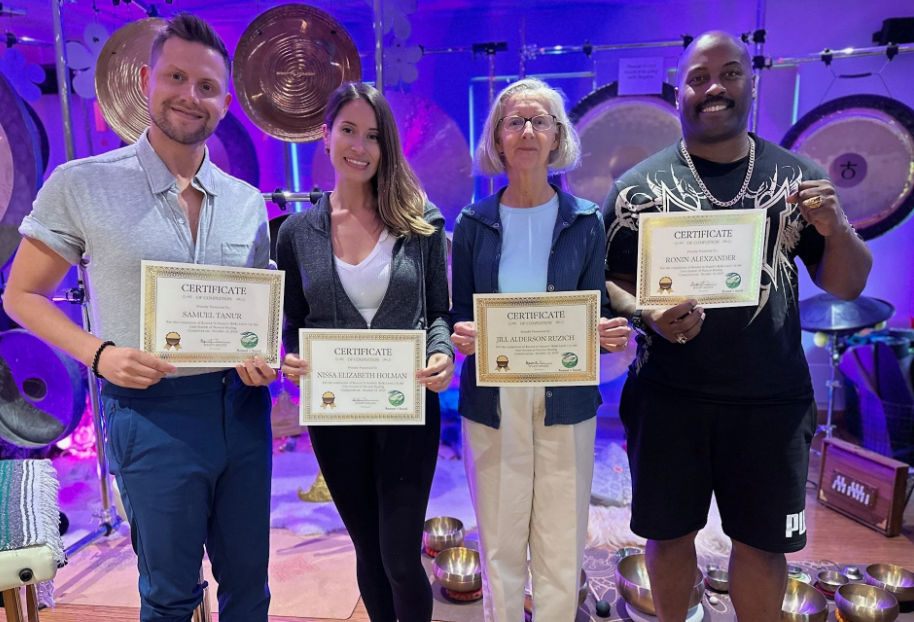
The International Sound Therapy Association (ISTA) works to raise professional standards for sound practitioners, including training hours, ethics, and continuing education. It isn't a government license. It's a professional framework that shows you've met a recognized standard.
Rooted In Sound Academy is an approved ISTA training facility, so completing our program puts you on the path to ISTA certification. For the full breakdown, read our post on what ISTA certification means.
How to Choose a Sound Therapy Program?
Whether you train with us or somewhere else, use this checklist to compare programs fairly:
• Total hours. Look for a clear number of classroom, online, and practice hours, not just "a weekend."
• Supervised practice. Will you work with real clients and get feedback on your sessions?
• Ethics and scope. Does the curriculum cover contraindications, consent, and trauma-informed care?
• Recognition. Is the program connected to a professional body like ISTA?
• Instructor experience. Who is teaching, and what are their credentials and lineage?
• Class size. Small groups mean real mentoring.
• Business skills. Will you learn how to price, market, and legally set up your practice?
• In-person time. Playing instruments and working with a real body in the room is hard to replace. (Here's why we believe an online-only certificate isn't enough.
What Training at RIS Academy Looks Like?
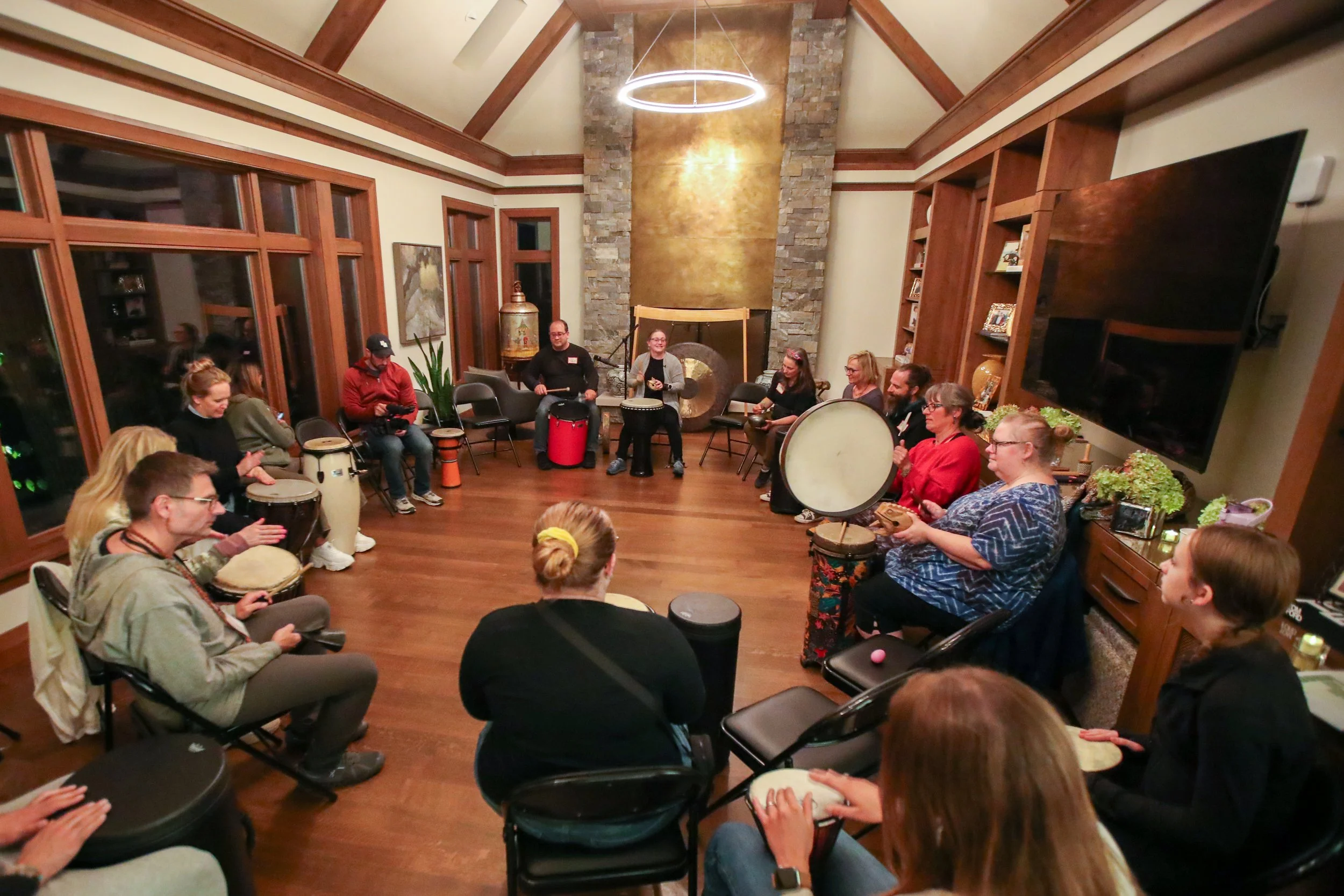
Our Foundations program is a twelve-month practitioner training with limited class sizes, so every student gets personal attention. Here's how it works:
• Start with the prerequisite. "Essence of Sound Healing: Art, Science, and Tradition" is an 8-hour class that doubles as our application. It gives you a taste of how we teach and gives us a chance to see if we're a good match. Its fee is deducted from the full program if you continue. Learn more about the prerequisite class.
• Core coursework. You'll study the anatomy and physiology of sound, the 5 Element Theory, vocal toning and Nada Yoga, metal and crystal bowls, sound journey instruments, vibroacoustic therapy, group sound events, tuning forks, and more. (Curious about the elements? Read our post on the five-element path.
• Real-world practice. You'll complete thirty student sessions between classes, followed by a Supervision Class and a graduation ceremony.
• Electives. Choose from Reiki, Peter Hess Sound Massage, gong, shamanic sound tools, working with medical professionals, and even web design and online marketing for your new practice. Browse them all on our electives and workshops page.
• Total hours. The Foundations diploma requires a minimum of 180 hours.
Not sure you're ready to commit to the full program? Anyone can take an elective without enrolling, and those hours count toward the diploma if you decide to join later. If cost is a concern, take a look at our scholarship information.

Who Is This Training For?
You don't need to want a full-time career to benefit. Our students include people who want to:
• Open or grow a sound therapy practice
• Add sound to an existing wellness business, such as massage, yoga, coaching, or Reiki
• Lead group sound baths, corporate events, or retreats
• Deepen their own practice with real structure and mentoring
Some students also join us for Nepal's Sacred Sounds Retreat, a 12-day all-inclusive experience that pairs sound practices with the 5 Elements.
Frequently Asked Questions:
Do I need a certification to host a sound bath?
Generally, no law requires it. However, venues, retreat centers, and insurance providers may ask about your training, so a recognized credential can make booking work much easier.
How long does it take to get certified?
Our Foundations program runs twelve months and requires a minimum of 180 hours, including classroom time, online learning, and student practitioner sessions.
Can I take a class without enrolling in the full program?
Yes. Our electives are open to everyone, and the hours count toward your diploma if you join the full program later.
What does ISTA stand for?
ISTA stands for the International Sound Therapy Association, a professional organization focused on standards, ethics, and education for sound practitioners.
Is sound therapy a substitute for medical care?
No. Sound therapy is a complementary wellness practice, not a replacement for medical or mental health diagnosis, treatment, or emergency care.

So, Do You Need It?
Let's put it plainly:
You don't need a certification to play sound. You need training to be trusted to hold space professionally.
If sound is a personal practice, start with a workshop and follow your curiosity. If you want to work with clients, lead group sessions, or build a real practice, structured, ethical, hands-on training is worth it, for your clients and for you.
Ready to Take the First Step?
The best place to start is the prerequisite class. There's no application fee and no pressure, just a real taste of how we teach.
[Explore the Rooted In Sound Academy →](https://www.rootedinsound.com/school-of-sound)
Questions? Call us at 412-609-8999 or visit us at 209 Commercial Ave., Pittsburgh, PA 15215.