Does Sound Therapy Actually Work? An Honest Look at the Science
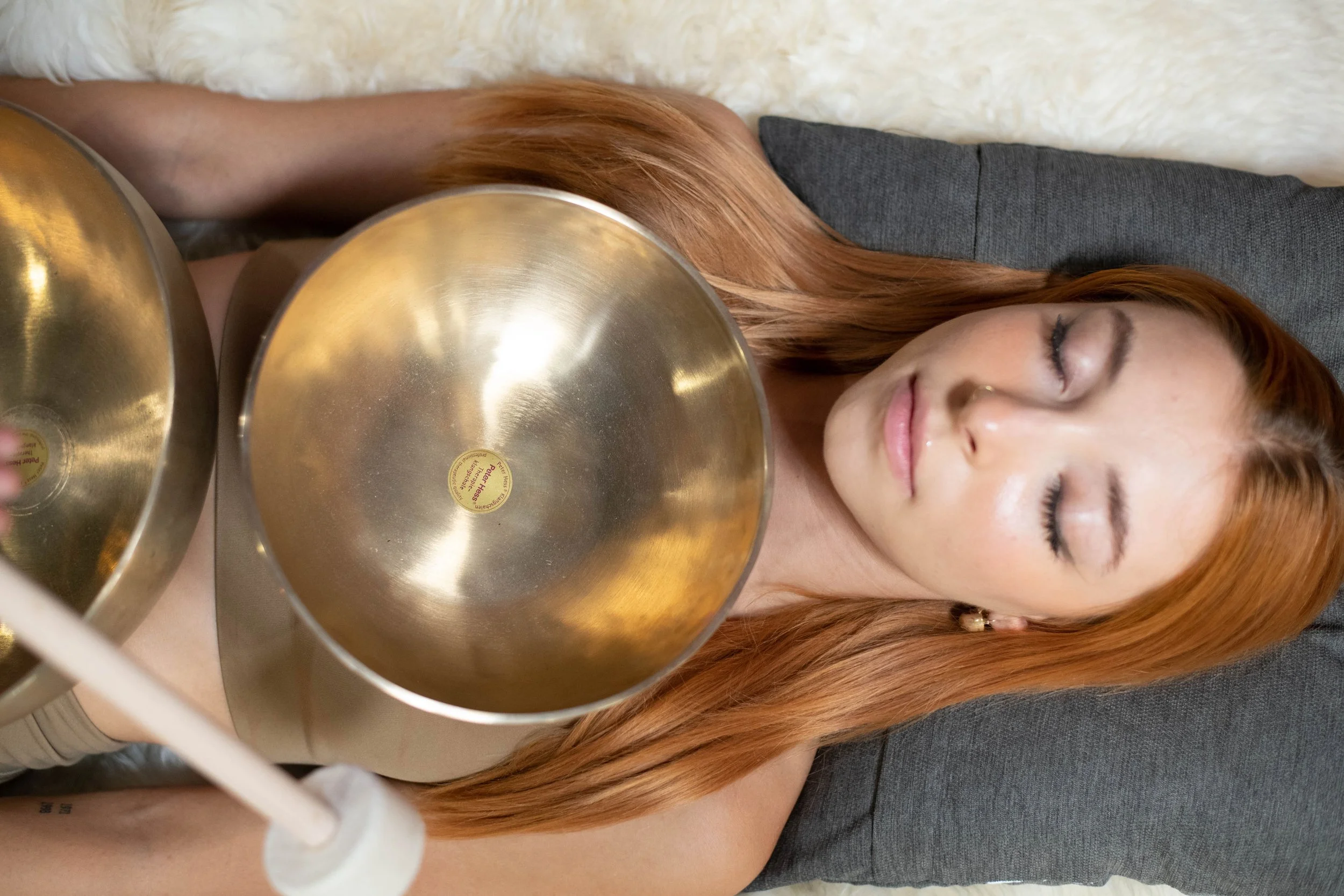
Sound baths are having a moment. What used to be a niche yoga-studio add-on is now showing up in corporate wellness programs, luxury hotels, and even hospital waiting rooms. So the question more people are asking before they book a session isn't "what is it," it's simpler: does it actually do anything?
Here's the honest, short version.

What the Research Actually Shows?
There's real, peer-reviewed evidence that sound sessions produce measurable changes in the body. Studies have found reduced tension, less anger, and improved mood in participants immediately after a single session, along with drops in heart rate and blood pressure during the experience itself. That's not placebo-only territory — something physiological is happening when the body is exposed to sustained, resonant sound in a relaxed state.
Where the Claims Get Ahead of the Evidence
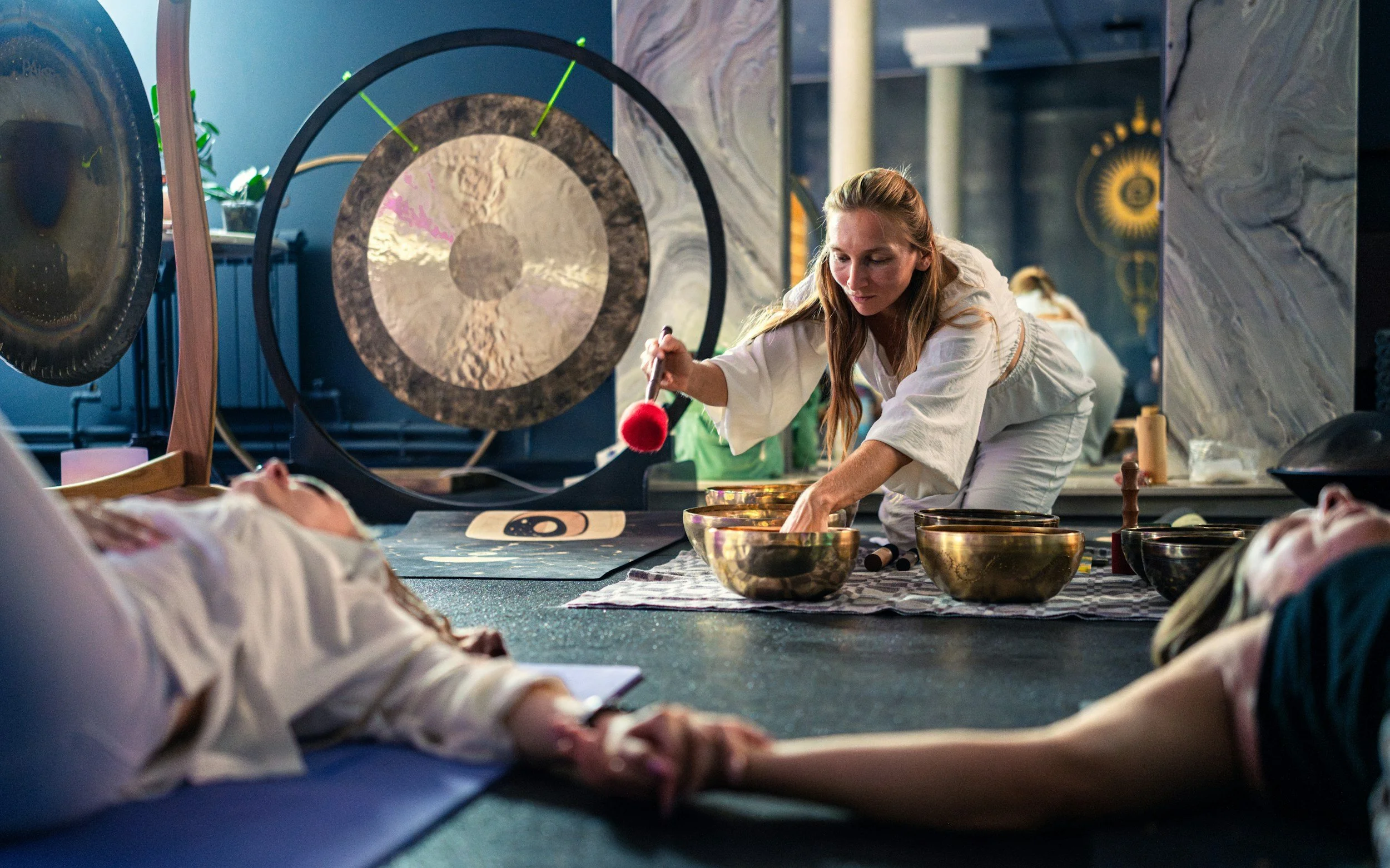
Here's where it's worth slowing down. You'll often see claims that specific frequencies "entrain" your brainwaves directly into theta or delta states, effectively hacking your nervous system into deep relaxation on command. That specific mechanism is contested — some researchers, including psychiatrists who study relaxation and meditation, point out that much of the existing research comes from people already inclined to believe in the practice, which raises fair questions about how objectively those studies were designed.
It's also a meaningful jump from "this reduces stress and tension in the moment" to "this treats anxiety disorders or depression." The current evidence supports the first claim reasonably well. It does not support the second.

So What's the Fair Takeaway?
Sound sessions aren't pure placebo, and they aren't a scientifically validated medical treatment either — the honest answer sits in between. What the evidence does support:
A measurable relaxation response during and immediately after a session
Short-term improvements in mood, tension, and perceived stress
A genuinely low-risk way to unwind, with the small exceptions noted below
What it doesn't yet support:
Treating diagnosed anxiety or mood disorders in place of established care
Precise claims about specific frequencies "curing" specific conditions
Sound sessions as a substitute for medical or mental health treatment

Who Should Check In With a Doctor First?
Sound sessions are low-risk for most people, but if you have epilepsy, a cardiac arrhythmia, or an implanted medical device, it's worth checking with a doctor before attending — the vibration and volume involved can be a real consideration for those specific conditions.
The Bottom Line
Sound therapy is best understood as a genuinely useful relaxation tool, not a cure. It won't replace therapy or medical care, and it doesn't need to in order to be worthwhile. Approached with realistic expectations — as a way to unwind, reset, and give your nervous system an hour of rest — the evidence stands up. Approached as a treatment for a diagnosed condition, it currently doesn't.
If you're curious, that's reason enough to try one. Just go in expecting a good, restful hour — not a miracle.
Curious to Experience It Yourself?
View the Event Calendar — upcoming group sessions and community gatherings.
Book a Session or Class — reserve your spot for a guided session.
Explore the School of Sound — if a single session leaves you wanting to learn the practice yourself.