How to Become a Sound Bath Practitioner?: Step-by-Step Guide
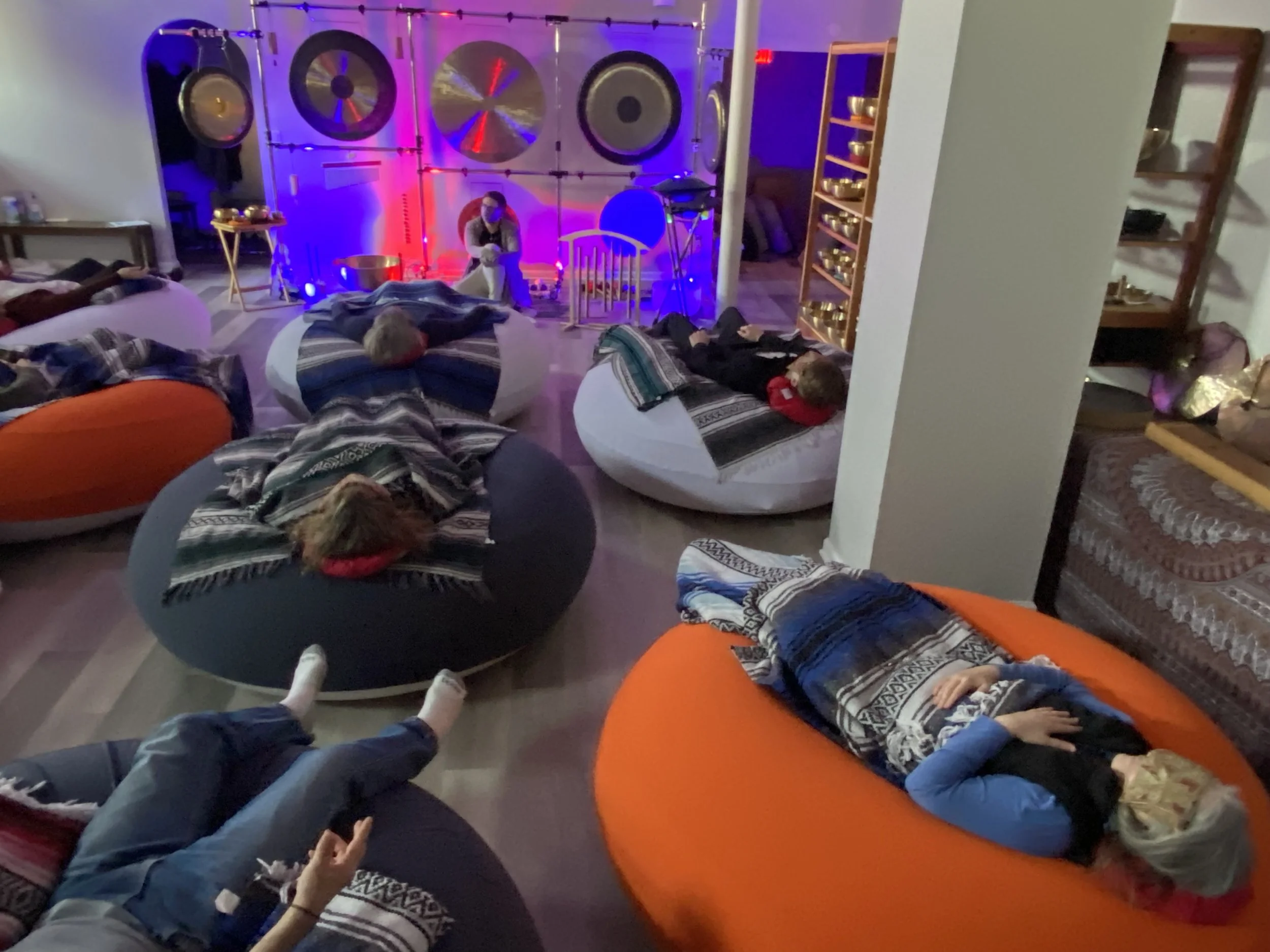
How do I become a sound bath practitioner? is one of the most common questions we hear from people who've experienced their first session and felt something shift. If that's you, here's the real, unvarnished roadmap — not the version that skips straight to "sign up today."
Step 1: Experience Sound Baths as a Participant First
Before you train to lead sessions, attend several as a participant — different instructors, different instruments, different styles. This isn't a formality. It's how you figure out what kind of practitioner you actually want to be, and it gives you a real reference point for what "good" feels like before you're the one holding space for a room. Our own Sound Baths and Public Events calendar is a good place to start if you're local to Pittsburgh.
Step 2: Choose a Training Program Built on Real Hours
This is where most people get it wrong. A weekend workshop and a 200-hour certification program are not the same credential, even if both hand you a certificate at the end. Look for:
A clear, published number of training hours : not vague language like "comprehensive" or "in-depth".
Hands-on practicum time:not just video modules and quizzes.
Instructors who are practicing sound therapists themselves:not just course creators.
Guidance on the business side :pricing, marketing, building a client base not just instrument technique.
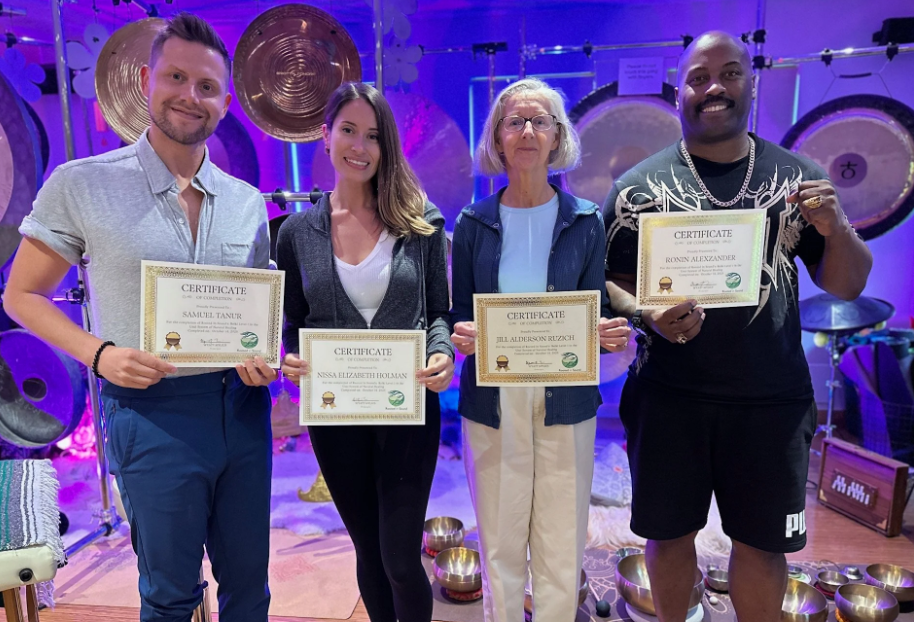
If you want your certification to count toward recognition from the International Sound Therapy Association (ISTA), you'll need a minimum of 200 training hours (100 for Professional Membership level). Our RIS Academy Pre-req class is designed as the entry point for exactly this kind of structured, hours-based training.
Step 3: Learn the Instruments You'll Actually Use
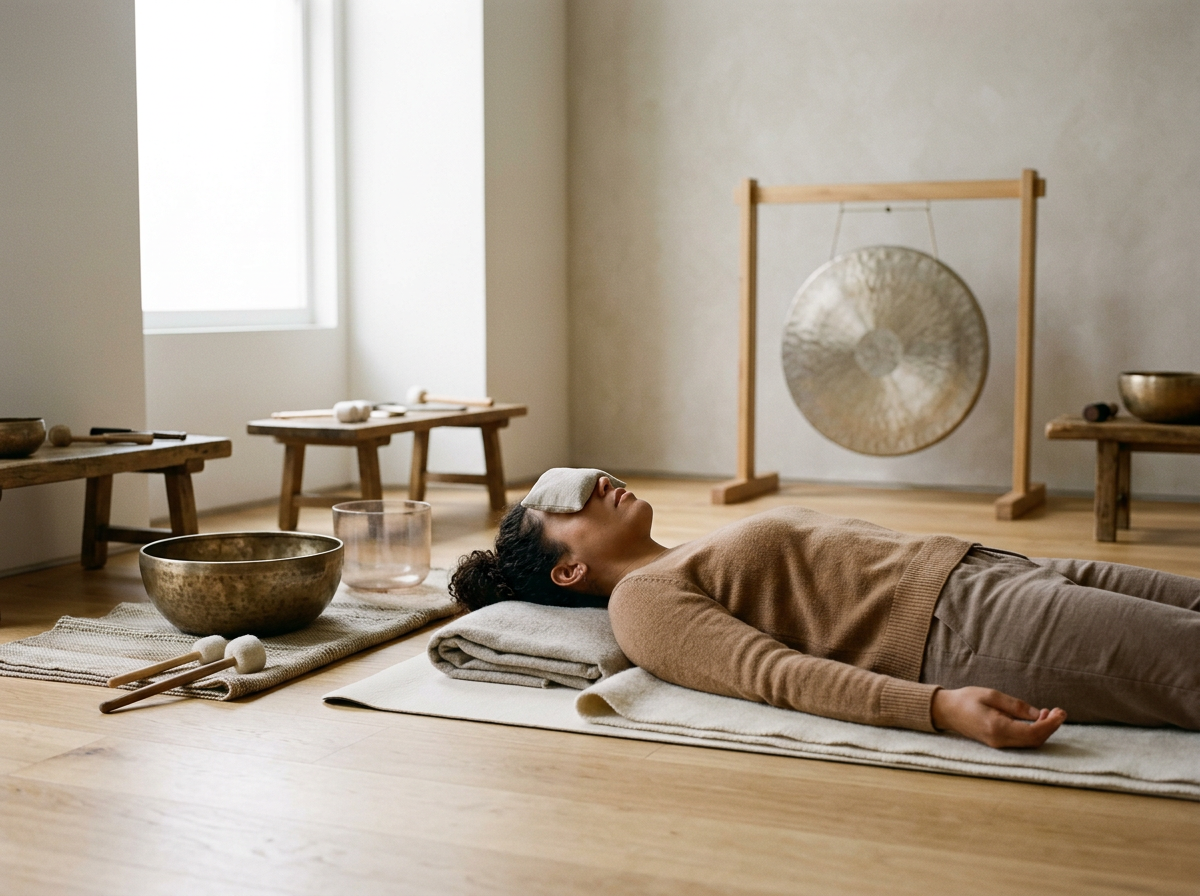
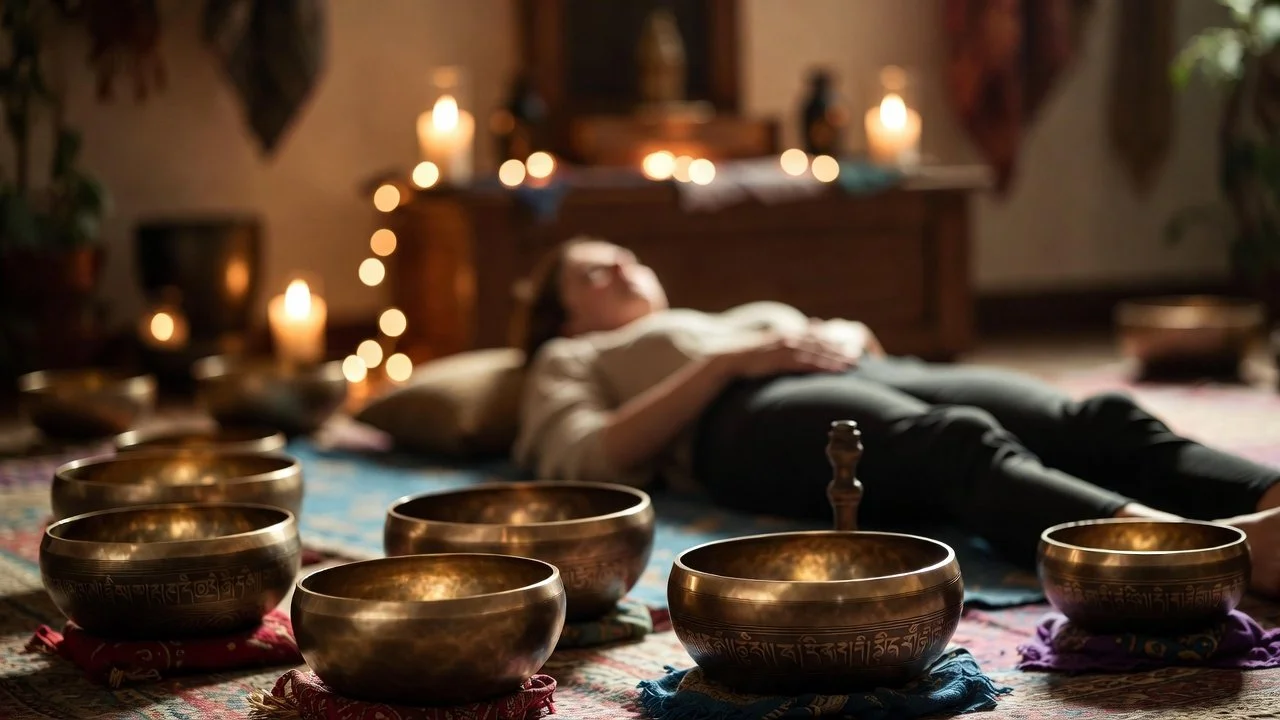
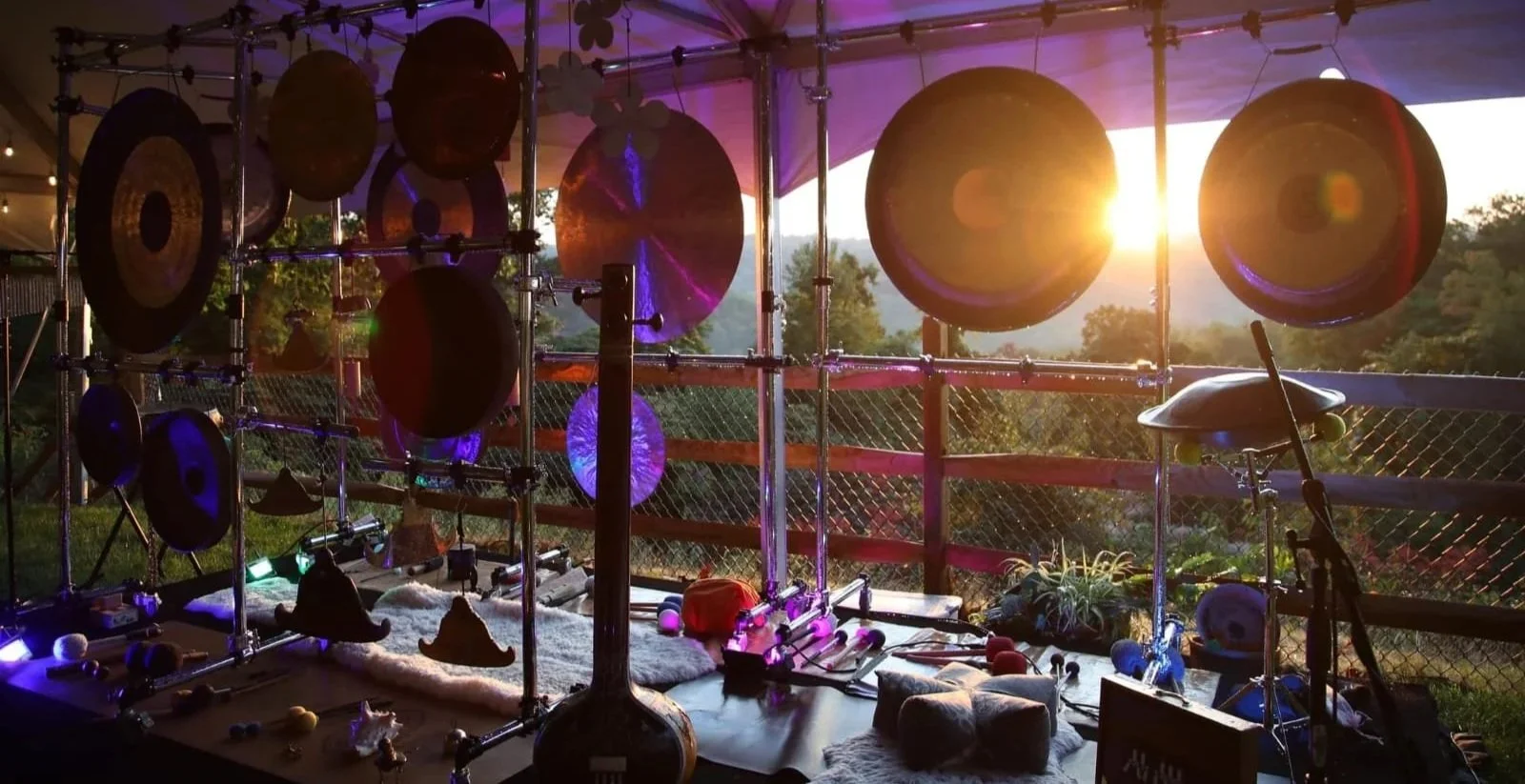
Most practitioners work with a combination of metal and crystal singing bowls, and gongs, sometimes chimes or a didgeridoo. Your training should give you real playing time with these instruments, not just theory about them — technique, pacing, and reading how a group is responding all come from repetition, not reading. Once you've completed the prerequisites, our RIS Academy Electives & Workshops let you go deeper on specific instruments and modalities.
Step 4: Practice Before You Charge Full Price
Offer free or low-cost sessions to friends, family, or a small community group before booking paid clients. This is where you find your pacing, work out session structure, and build the confidence that actually shows up in how you facilitate. Skipping this step is the most common reason new practitioners feel shaky in their first paid sessions.
Step 5: Invest in Your Own Instruments
Once you know your style, invest in quality instruments — this is usually one of the larger upfront costs after training itself. Your training program should help you understand what to buy and avoid the common mistake of overbuying before you know what you'll actually use. Not ready to buy yet? Our Instrument Rentals let you practice with quality bowls and gongs before committing to your own set.
Step 6: Start Building Your Practice
Real income in this field rarely comes from one-on-one sessions alone. Most sustainable practices combine:
Group sound baths, which scale — one session, many attendees
Private sessions, generally $50–$200 per hour depending on experience and location
Corporate wellness bookings, often the highest-paying single session
Retreats and workshops, which bundle a premium price point into a longer experience
How Long Does It Actually Take?
For most people, the path from first training to leading confident, well-attended sessions takes several months to a year — depending on how much you practice and how quickly you build instrument skill. A structured, hands-on program shortens that timeline significantly compared to teaching yourself from videos alone.
Frequently Asked Questions:
Do I need a certification to lead sound baths? It's not legally required in most places, but a real certification builds credibility with clients and, increasingly, with corporate and studio bookers who ask about training hours before booking.
How much does sound bath training cost? Programs range widely — anywhere from a few hundred dollars for a short workshop to several thousand for a full, hands-on certification. The cheapest option isn't always the better value; weigh training hours and hands-on practice time against price.
Can you actually make a living as a sound bath practitioner? Yes, but rarely from one-on-one sessions alone. Practitioners who build sustainable income usually diversify across group events, corporate bookings, and eventually teaching.
What instruments do I need to get started? Most practitioners start with one or two quality singing bowls and build their collection over time as their style develops. Your training program should guide this decision rather than encouraging you to buy everything upfront.
Ready to Start Training the Right Way?
Rooted In Sound Academy'sSchool of Sound program is built around real training hours, hands-on practicum, and guidance on the business side of building a practice — not just instrument technique.
Start with the Pre-req Class → the foundational entry point into our program.
Explore Electives & Workshops → go deeper on specific instruments once you've completed the basics.
Join RIS Nepal's Sacred Sounds Retreat → an immersive training and retreat experience for those ready to go all in.
Check Scholarship Availability → if cost is a barrier, see if you qualify for support.
See Our Upcoming Public Sound Baths → attend as a participant first, exactly like Step 1 above.
Have questions before you commit? Book a session with usor explore meet the practitionersto see who you'd be learning from.