
Every year on October 10, people around the world pause for World Mental Health Day. This year's theme is "Lived Experiences Heard: Real Voices, Real Change." It's a simple idea: people living with mental health challenges deserve to be heard, and real change starts with listening.
Sound work is, at its heart, the practice of listening. So today we want to talk honestly about where sound therapy can fit into a mental wellbeing routine, and just as importantly, where it can't. If you're new to all of this, you're in the right place. We'll keep it simple and free of hype.
Why This Day Matters?
Mental health affects everyone. Some of us carry stress that builds slowly over the years. Others hit a rough season after a loss, a move, or a stretch of nonstop responsibility. Many of us simply feel tired in a way that sleep doesn't fix.
Yet people still hesitate to talk about it. They worry about being judged, or assume everyone else is coping better. World Mental Health Day is a reminder that asking for support is normal and healthy.
So, What Is Sound Therapy?
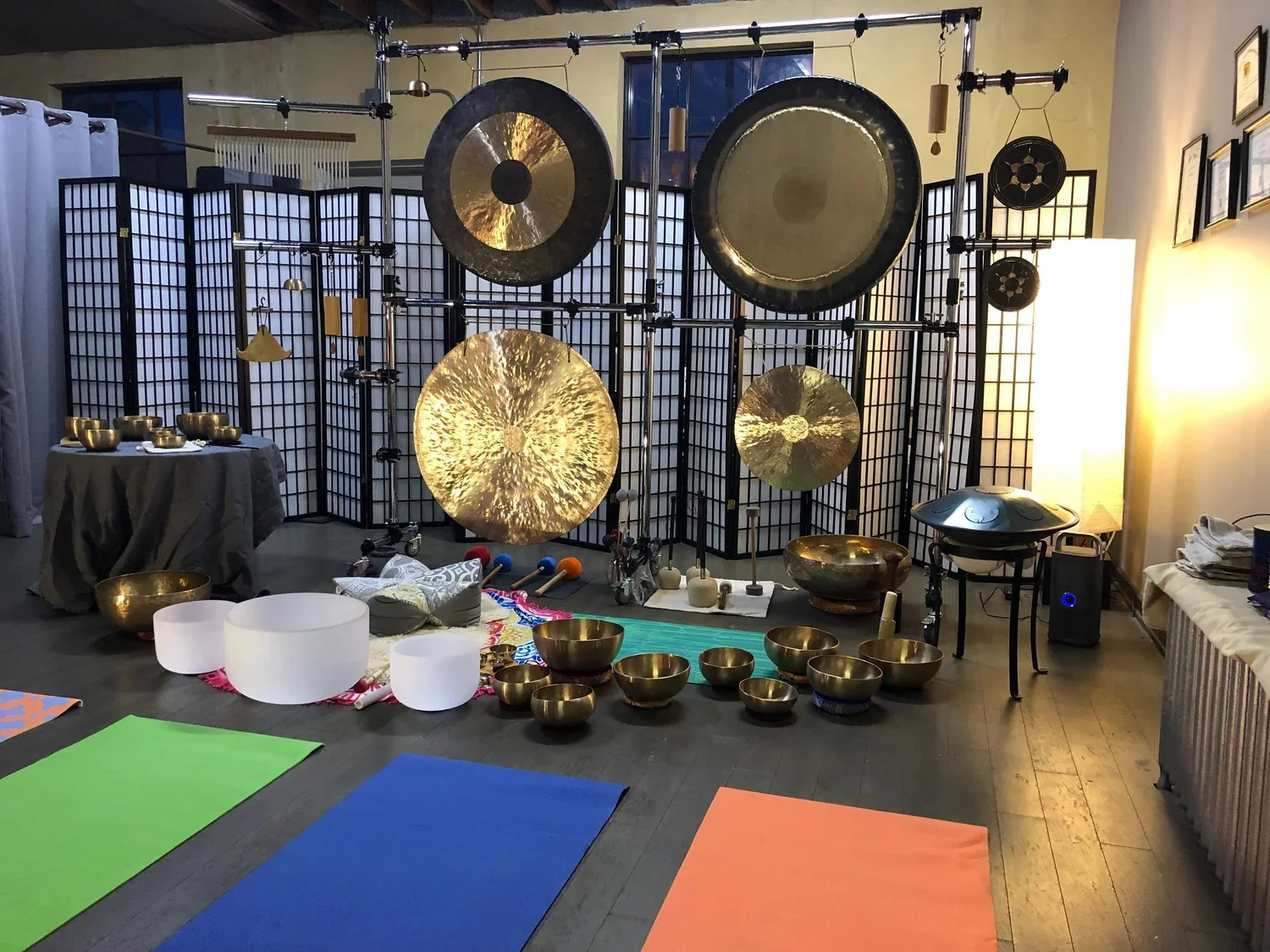
Sound therapy is a complementary wellness practice that uses sound, such as singing bowls, gongs, chimes, drums, and the human voice, to support relaxation and calm.
You may have heard the term "sound bath." In a sound bath, you lie down or sit comfortably while a practitioner plays instruments around you. You don't have to do anything, learn anything, or get anything right. You simply listen.
If you've ever found it hard to sit still and meditate, this can feel easier, because the sound gives your mind something gentle to follow. (We compare the two in our post on sound therapy vs. meditation.)
What People Often Notice?
Everyone's experience is different, and there's no "right" way to feel. Still, people often describe:
• Calm. The body feels heavier and more relaxed.
• A quieter mind. Busy thoughts slow down or fade into the background.
• Physical sensations. Tingling, warmth, or a feeling of lightness.
• Deep rest. It's common to get sleepy, and some people drift off.
None of this is guaranteed. Some people feel deeply relaxed after one session, others need a few tries, and some find it isn't for them. All of that is okay.

How Sound May Support Your Nervous System?
When we're stressed for a long time, our bodies can stay on high alert. We feel tense and tired, even when nothing urgent is happening. Rest helps the body settle, but many of us don't know how to rest, or our minds won't let us.
Sound can offer a gentle way to pause. Slow, steady tones may help the body ease down, which is why many people find sessions so relaxing.
Let's be clear about what we know, though. Research on sound-based practices is still growing, and sound therapy is not a proven treatment for any mental health condition. You can read more in our honest look at whether sound therapy actually works. What we can say is that relaxation matters for wellbeing, and sound is one pleasant, low-pressure way to practice it.
What Sound Therapy Can't Do?
Sound therapy is a complementary practice. It can sit alongside other supports, but it doesn't replace them. It is not:
• A substitute for therapy or counseling
• A replacement for medication or medical care
• A treatment or cure for depression, anxiety, trauma, or any other condition
• An emergency resource
If you're dealing with something heavy, a trained professional can offer tools and care that a sound session can't. There's no shame in needing that. Reaching out is one of the strongest things a person can do.
The good news is you don't have to choose. Counseling helps you understand your thoughts and build practical skills. Sound therapy offers a calm space where your body can slow down. Many people use both. For a closer look, read our post on sound therapy vs. counseling, or explore burnout as a nervous system issue.
Simple Ways to Start:
Feeling curious but a little nervous? That's normal. Here's an easy way to begin:
1. Start small. A single group sound bath is a great first step.
2. Wear comfortable clothes and arrive a few minutes early to settle in.
3. Tell the practitioner what you need. If you're sensitive to loud sounds or unsure what to expect, just say so.
4. Go at your own pace. You can keep your eyes open, shift positions, or step out. There's no pressure to feel anything specific.
5. Keep your other supports. Sound can be one part of a routine that also includes sleep, movement, time outdoors, good conversations, and professional care when you need it.
A Quick Note on Safety:
Sound therapy is generally gentle, but it isn't right for everyone in every situation. Check with your doctor first if you are pregnant, have a pacemaker or another implanted medical device, or have a condition that sound can trigger, such as seizures. If you're very sensitive to sound, tell the practitioner beforehand.
Some people feel a little spacey or emotional after a deep session, so give yourself a few minutes before driving. For more details, see our treatment disclaimer.
Listening Is the Heart of It:
Come back to this year's theme: Lived Experiences Heard. When people feel truly heard, something softens. That's true in a sound bath, in a conversation with a friend, and in a counselor's office.
However you mark the day, you could:
• Listen without fixing. When someone shares how they feel, just listen.
• Check in on someone. A simple "How are you really doing?" can mean a lot.
• Give yourself permission to rest. Rest isn't laziness. It's maintenance.

If You're Struggling Right Now
You don't have to handle it alone. Please reach out to a trusted friend, family member, or mental health professional. If you are in the United States and are in crisis or thinking about harming yourself, you can call or text 988 to reach the Suicide & Crisis Lifeline at any time. If you are in immediate danger, call your local emergency number.
Quick Questions?
Can sound therapy help with anxiety or depression?
Some people find sessions relaxing, and relaxation can be part of caring for yourself. But sound therapy is not a treatment for any condition. If you're struggling, please talk with a qualified professional.
Do I need experience with meditation?
Not at all. You just lie down, get comfortable, and listen.
Can I do sound therapy alongside counseling?
Yes. Many people do. It's a good idea to let your provider know about the wellness practices you're trying.

A Gentle Invitation
Caring for your mind is not a luxury. It's part of living well, and it looks different for everyone. If you're curious about sound, we'd love to welcome you. Join us at an upcoming sound bath or public event, or explore our Sound Spa services.
[View upcoming sound baths and events →](https://www.rootedinsound.com/event-calendar)
Questions? Call us at (412) 484-5440 or visit us at 209 Commercial Ave., Pittsburgh, PA 15215.